
Learning how to clean a carpet properly can make a noticeable difference in the appearance, smell, and overall condition of your home. Carpets collect dust, dirt, food particles, pet hair, spills, and everyday debris, even when they look reasonably clean on the surface.
Regular vacuuming is important, but it does not remove everything trapped inside carpet fibers. Over time, dirt can become embedded in high traffic areas, while spills and stains can leave behind visible marks or unpleasant odors. Deep cleaning from time to time helps address buildup that ordinary vacuuming cannot handle.
Fortunately, you do not always need professional equipment to clean a carpet. Depending on the carpet material and level of soiling, you can use a vacuum, mild cleaning solution, clean towels, a soft brush, or a carpet cleaning machine.
This guide explains how to clean a carpet from start to finish, including how to deep clean carpet at home, remove stains and odors, clean without a machine, use baking soda or vinegar carefully, dry the carpet properly, and avoid common mistakes that can cause damage.
What Is Carpet Cleaning?
Carpet cleaning is the process of removing dirt, dust, stains, spills, allergens, odors, and other unwanted material from carpet fibers. The appropriate cleaning technique depends on the carpets construction, material, condition, and manufacturers care instructions.
Routine carpet maintenance usually begins with vacuuming. Vacuuming removes loose dirt and debris before they become deeply embedded in the fibers. However, periodic deeper cleaning may be necessary when the carpet develops visible discoloration, odors, or heavy soil buildup.
Different cleaning methods use different combinations of moisture, detergent, agitation, and extraction. Some methods are designed for light surface cleaning, while others use water and extraction equipment to reach deeper into the carpet.
Understanding the difference between routine maintenance and deep cleaning is important. Cleaning too aggressively or too frequently can potentially damage some carpets, while never deep cleaning can allow soil and residues to accumulate.
How to Clean a Carpet at Home
The best general approach to how to clean a carpet is to work systematically. Start by removing loose objects and debris, vacuum thoroughly, treat visible stains, clean the carpet using an appropriate method, and allow it to dry completely.
Before applying any cleaning solution, check the carpet manufacturers instructions if they are available. Some carpets have specific requirements concerning water, detergents, heat, or professional cleaning.
Prepare the Room
Remove furniture and other objects from the carpeted area when practical. If large furniture cannot be moved, clean around it carefully and avoid soaking areas that cannot dry properly.
Pick up small items such as toys, cables, papers, and decorative objects. Removing obstacles allows you to vacuum and clean more evenly.
If you are using a wet cleaning method, protect furniture legs and other surfaces that should not become wet. Plan an exit route so you do not have to walk repeatedly across freshly cleaned carpet.
Good ventilation is also useful. Opening windows or using fans, where appropriate, can help moisture evaporate after cleaning.
Vacuum Thoroughly
Vacuuming is one of the most important steps because it removes loose soil before moisture turns it into a muddy residue. Move the vacuum slowly enough to give it time to pick up dirt.
Pay particular attention to high traffic areas, corners, edges, beneath furniture, and places where dust tends to accumulate.
For heavily soiled carpets, make multiple passes in different directions. This can help loosen and collect particles that may not be removed during a single quick pass.
Do not skip vacuuming simply because you plan to use a carpet cleaning machine. Removing dry soil first generally makes the wet cleaning stage more effective.
Treat Stains
Inspect the carpet after vacuuming and identify visible stains. Treating individual stains before overall cleaning can make the final result more consistent.
Blot liquid spills with a clean, absorbent cloth rather than rubbing them aggressively. Scrubbing can spread a stain or push liquid deeper into the fibers.
Use a cleaning product appropriate for the carpet material. If you are using a new product, test it in a hidden area first and check for color changes or damage.
Work from the outside of a stain toward its center. This helps reduce the possibility of spreading the stain across a larger section of carpet.
Choose a Cleaning Method
The best cleaning method depends on how dirty the carpet is and what equipment you have. For routine maintenance, thorough vacuuming may be sufficient.
For light surface cleaning, a suitable carpet cleaning solution and controlled moisture may be enough. For deeper soil, a carpet extractor or carpet cleaning machine can provide more thorough cleaning.
Some carpets may be sensitive to excessive moisture. Natural fibers and specialty rugs often require more careful handling than standard synthetic wall to wall carpet.
When uncertain, follow the manufacturers cleaning instructions rather than choosing a method solely because it works on another type of carpet.
Clean the Carpet
Apply cleaning solution according to the product instructions. Avoid using excessive detergent because leftover residue can attract dirt after the carpet dries.
If using a machine, move it steadily and follow its recommended water and cleaning solution quantities. Do not rush through the process.
If cleaning manually, work in manageable sections. Use a small amount of solution and avoid flooding the carpet.
The objective is to remove dirt rather than simply wet the carpet. Controlled moisture and thorough extraction are important for achieving good results.
Rinse and Extract
If your cleaning method requires rinsing, use clean water as directed. Excess detergent left in the fibers can create a sticky residue that attracts new dirt.
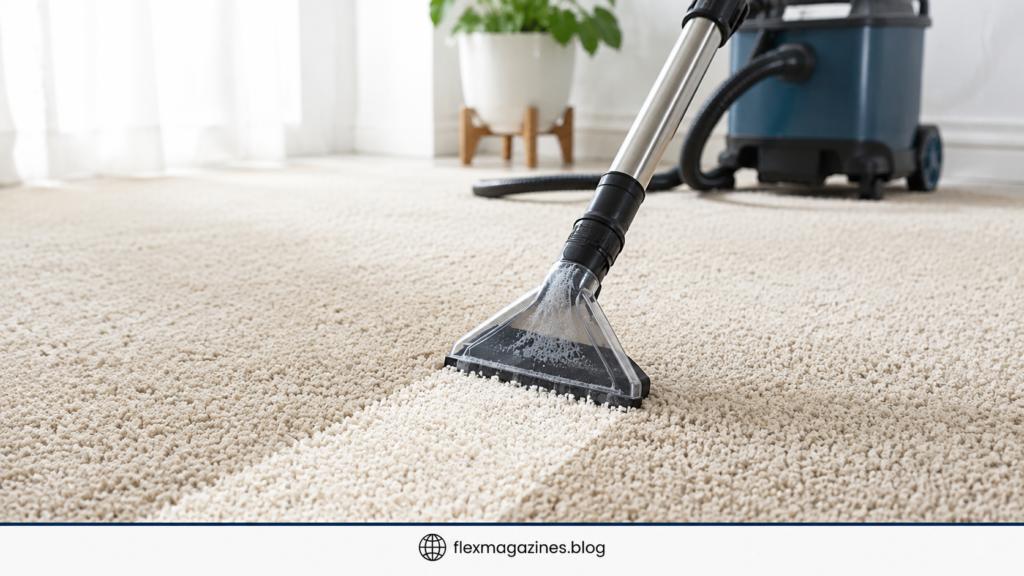
A carpet cleaning machine with extraction capability can remove a significant amount of water and cleaning solution. Make slow extraction passes without unnecessarily soaking the carpet again.
If you are cleaning manually, use clean, absorbent towels to remove as much moisture as possible. Press down rather than scrubbing.
The less unnecessary moisture left in the carpet, the easier it will be to dry the area completely.
Dry Completely
Drying is an essential part of carpet cleaning. A carpet that remains damp for too long can develop unpleasant odors and may create conditions that encourage unwanted microbial growth.
Improve airflow by opening windows when appropriate, running fans, or using ventilation systems. Avoid closing the room off while the carpet remains significantly damp.
Keep people and pets off the carpet until it is sufficiently dry. Walking across wet carpet can flatten fibers and introduce new dirt.
Before returning furniture, make sure the carpet is dry enough to avoid transferring moisture to furniture legs or creating marks.
How to Clean a Carpet Without a Machine
You can clean a carpet without a machine, particularly when dealing with a small area or light soil. A vacuum cleaner, clean towels, mild carpet safe solution, and some patience can accomplish a surprising amount.
Start by vacuuming slowly and thoroughly. Then treat visible stains individually rather than covering the entire carpet with water.
For general surface cleaning, use a lightly dampened cloth or an appropriate carpet cleaning product. Work in small sections and avoid saturating the fibers.
Manual cleaning is especially useful for spot treatment, but it can be less practical for a large, heavily soiled carpet. Without extraction equipment, removing large amounts of water can be difficult.
If you clean without a machine, drying becomes even more important. Use towels to absorb moisture and increase airflow until the carpet is fully dry.
How to Deep Clean a Carpet
Deep cleaning is intended to remove soil and residues that routine vacuuming cannot address. It is particularly useful for carpets with heavy foot traffic, visible dullness, or persistent odors.
Begin with thorough dry vacuuming. Do not immediately wet a heavily dirty carpet without removing loose debris first.
Pre treat stains and heavily soiled sections using an appropriate carpet safe product. Allow the product to work according to its instructions rather than leaving it on the carpet indefinitely.
Use an extraction machine or another appropriate deep cleaning method. Apply only the recommended amount of cleaning solution and water.
Extraction is particularly important because deep cleaning introduces moisture into the carpet. Removing that moisture helps speed drying and reduces the risk of residue or persistent dampness.
After cleaning, ventilate the room and allow the carpet to dry completely. Inspect the carpet after it dries rather than judging the final result while the fibers are still wet.
How to Clean Carpet With a Carpet Cleaner
A carpet cleaning machine can make deep cleaning more efficient by applying solution and extracting dirty water. These machines may be rented, purchased, or available through professional cleaning services.
Before operating a machine, vacuum the carpet and inspect it for stains. Follow the machine manufacturers instructions for filling the water tank and adding cleaning solution.
Avoid over wetting the carpet. Multiple slow extraction passes can be more useful than repeatedly adding more water.
Pay attention to areas where furniture or walls can be exposed to moisture. Keep electrical equipment and cords safely positioned according to the machines instructions.
After cleaning, use ventilation and fans to accelerate drying. If the carpet remains wet for an extended period, reassess whether too much water was applied or whether extraction was insufficient.
How to Clean Carpet With Baking Soda
Baking soda is commonly used for household odor control and can be helpful as part of a carpet maintenance routine. However, it is not a substitute for proper deep cleaning.
For odor control, sprinkle a modest amount over a dry carpet and allow it to sit for a reasonable period before vacuuming thoroughly.
Use a vacuum capable of collecting fine particles effectively. Leaving powder behind can create residue, especially if it becomes damp.
Baking soda is not a universal stain remover. It may help absorb certain odors or moisture, but stubborn stains usually require a cleaning solution designed for the specific type of stain.
Do not aggressively rub large amounts of baking soda deep into the carpet. The goal is to make it easy to vacuum away after it has had an opportunity to work.
How to Clean Carpet With Vinegar
Diluted white vinegar is a popular household cleaning ingredient, but it should not automatically be considered safe for every carpet. Carpet fibers, dyes, coatings, and backing materials vary.
If you want to use vinegar, first check the carpet manufacturers care instructions. Then test a diluted solution in a hidden area and allow it to dry before checking for discoloration or damage.
For a suitable carpet, lightly dampen a clean cloth with the diluted solution and gently blot the affected area. Avoid soaking the carpet.
Afterward, use a clean cloth lightly dampened with water if necessary to remove residue. Then blot the area dry.
Never mix vinegar with bleach or other cleaning chemicals. Combining household cleaning products can produce hazardous reactions.
How to Remove Common Carpet Stains
Different stains require different approaches, so there is no single cleaning solution that is ideal for everything. The safest first response to many liquid spills is to blot them quickly with a clean cloth.
Coffee, tea, juice, and similar beverages can leave visible discoloration. Remove excess liquid first and then use a suitable carpet stain treatment.
Greasy stains can behave differently from water based spills. Avoid spreading oil further into the carpet and choose a product specifically designed for grease or oily residue when necessary.
Mud should generally be allowed to dry before attempting to remove large amounts of it. Once dry, vacuum loose dirt carefully before treating any remaining discoloration.
Pet accidents may require more specialized odor and stain treatment because visible residue may not represent the full extent of the contamination.
How to Clean High Traffic Carpet Areas
Carpet in hallways, entrances, stairs, and living rooms often becomes dirty faster than carpet in low use areas. Repeated foot traffic pushes soil deeper into the fibers.
Vacuum high traffic areas more frequently than rooms that receive little use. Slow passes can help remove more soil than quickly running the vacuum over the surface.
When these areas begin to look darker or flattened, consider a deeper cleaning method appropriate for your carpet.
Avoid repeatedly applying detergent to traffic lanes without properly removing residue. Excess cleaning product can actually contribute to a cycle in which the carpet becomes dirty more quickly.
Furniture placement can also influence wear. Moving furniture slightly from time to time can prevent the same narrow pathways from receiving all the foot traffic.
How to Clean Different Carpet Types
Carpet fiber type is one of the most important considerations when deciding how to clean a carpet. Synthetic fibers such as nylon, polyester, and polypropylene may have different care requirements from wool and other natural fibers.
Wool carpet generally deserves additional caution. Excessive water, heat, aggressive agitation, and unsuitable chemicals can damage natural fibers or affect their appearance.
Specialty rugs can have additional concerns, including unstable dyes, delicate construction, backing materials, or decorative finishes. A method that is appropriate for wall to wall synthetic carpet may not be appropriate for a valuable rug.
Always look for the manufacturers cleaning instructions or care label before deep cleaning. If you cannot identify the material, professional advice may be safer than experimenting.
When using any new cleaning product, test it on an inconspicuous area first. Allow the test section to dry before deciding whether the product is appropriate.
How to Remove Carpet Odors
Persistent carpet odors often indicate that something causing the smell remains in the fibers or beneath the surface. Simply adding fragrance may mask the odor temporarily without solving the underlying problem.
Start by vacuuming thoroughly and identifying the likely source. Food spills, pets, moisture, smoke, and accumulated dirt can all contribute to carpet odors.
For ordinary household smells, baking soda may provide some odor absorption when used appropriately on dry carpet. Vacuum it thoroughly afterward.
If the odor persists after surface cleaning, the source may be deeper in the carpet backing or padding. Professional extraction or replacement of affected materials may sometimes be necessary.
Drying is also essential. A damp carpet can develop an unpleasant smell, so make sure cleaned areas have adequate airflow and become completely dry.
How to Dry a Carpet After Cleaning
Proper drying should be considered before you begin wet carpet cleaning. Plan how you will ventilate the room and remove excess moisture.
Open windows when weather and indoor conditions allow, and use fans to move air across the carpet. A dehumidifier can also be useful in humid environments.
Avoid placing furniture directly onto a heavily damp carpet. Furniture can restrict airflow and may transfer moisture or stains to the flooring.
If a carpet remains wet much longer than expected, determine whether too much water was used or whether the extraction process was insufficient.
For a large wet carpet, professional extraction may be preferable to repeated manual attempts at drying. The faster excess moisture can be removed, the easier it is to complete the cleaning process safely.
Common Carpet Cleaning Mistakes
One of the most common mistakes is using too much water. More water does not automatically mean cleaner carpet. Excess moisture can make drying difficult and may cause other problems.
Another mistake is applying too much detergent. Cleaning products should be used according to their instructions. Excess residue can attract dirt and leave the carpet feeling sticky.
Aggressive scrubbing is another frequent problem. Scrubbing can damage carpet fibers, spread stains, and alter the texture of the surface.
People also sometimes skip vacuuming before wet cleaning. This can cause loose dirt to mix with water and cleaning solution, making the cleaning process less effective.
Finally, failing to test cleaning products can result in discoloration. Always consider the carpet material and test unfamiliar products in an inconspicuous location first.
How Often Should You Clean a Carpet?
There is no single schedule that works for every household. Cleaning frequency depends on foot traffic, pets, children, indoor conditions, carpet color, and how quickly the carpet accumulates visible dirt.
Regular vacuuming should be the foundation of carpet maintenance. High traffic areas may require more frequent attention than guest rooms or other low use spaces.
Deep cleaning can be performed when the carpet becomes noticeably soiled, develops odors, or requires more than ordinary vacuuming. Manufacturer recommendations should also be considered.
Homes with pets or heavy traffic may need more frequent cleaning than households where carpets receive relatively little use.
Rather than relying only on a calendar, pay attention to the carpet itself. Visible dullness, embedded dirt, persistent odors, and recurring stains can indicate that a deeper cleaning is appropriate.
When to Hire a Professional Carpet Cleaner
DIY cleaning can be effective for routine maintenance and many everyday spills, but professional cleaning has advantages for difficult situations.
Professional equipment can provide stronger extraction than many consumer machines. This can be particularly useful for heavily soiled carpets or areas where significant moisture has penetrated beneath the surface.
Professional help is also worth considering for expensive rugs, delicate fibers, large stains, severe pet odors, or carpets that have experienced water damage.
If you have repeatedly cleaned the same area and the stain or odor returns, there may be material beneath the carpet surface that ordinary cleaning cannot address.
Before hiring a cleaner, ask what cleaning method they recommend for your carpet material and whether they can explain the expected drying time and process.
Reviews Best Carpet Cleaning Methods
For everyday carpet maintenance, vacuuming is the most practical method. It is quick, inexpensive, and helps prevent loose soil from becoming embedded.
For small stains, spot cleaning is usually more appropriate than cleaning the entire carpet. It minimizes moisture and allows you to focus on the affected area.
For deep cleaning, water extraction using a suitable carpet cleaning machine can be effective when performed correctly. The biggest consideration is controlling moisture and extracting as much dirty water as possible.
For odor control, identifying and removing the source is more useful than simply covering it with fragrance. Baking soda may help with mild household odors, but deeper problems may require specialized cleaning.
For delicate or valuable carpet, professional cleaning is generally the safest option. Protecting the material is more important than saving money on a DIY experiment.
Latest Update Modern Carpet Cleaning Advice
Modern carpet care advice increasingly emphasizes prevention, regular vacuuming, controlled moisture, and carpet specific cleaning products rather than excessive use of harsh chemicals.
One of the most important principles remains simple use the least aggressive method that can effectively solve the problem. More detergent, more water, or more scrubbing does not necessarily produce a better result.
Manufacturers also increasingly provide detailed care instructions based on fiber and carpet construction. Checking those instructions before deep cleaning can help prevent accidental damage.
Another useful principle is to focus on complete drying. Cleaning is not finished when the carpet looks clean the carpet should also be dried properly before normal use resumes.
For large, difficult, or delicate cleaning jobs, professional extraction can provide a safer and more consistent result than repeated DIY treatments.
Conclusion
Learning how to clean a carpet properly does not have to be complicated. The most effective routine starts with regular vacuuming, prompt stain treatment, an appropriate cleaning method, controlled moisture, and thorough drying.For everyday maintenance, vacuum slowly and regularly, especially in high traffic areas. Treat spills quickly rather than allowing them to dry and become more difficult to remove.When deeper cleaning is necessary, choose a method appropriate for your carpets material. A carpet cleaning machine can be useful for larger jobs, while manual spot cleaning is often enough for small stains.Be careful with homemade cleaning solutions such as vinegar and baking soda. They can be useful in specific situations but should not replace carpet specific care instructions or professional advice for delicate materials.Most importantly, avoid the temptation to use excessive water, detergent, heat, or scrubbing. Effective carpet cleaning is about removing dirt and residue while protecting the fibers underneath.With consistent maintenance and the right cleaning approach, you can keep your carpet looking cleaner, smelling fresher, and lasting longer without turning every spill into a major cleaning project.
You may also read more blogs
how to remove coffee stain from carpet
FAQs
What is the best way to clean a carpet at home?
Start by removing objects and loose debris, then vacuum thoroughly. Treat visible stains separately before using an appropriate carpet cleaning method.
Can I clean carpet without a machine?
Yes. You can clean small areas manually using a vacuum, clean towels, and an appropriate carpet safe cleaning solution.
How often should you deep clean carpet?
The ideal frequency depends on traffic, pets, children, indoor conditions, and the type of carpet. Routine vacuuming should occur much more frequently than deep cleaning.
Can baking soda clean carpet?
Baking soda can help with certain odors and moisture, but it should not be considered a complete carpet cleaning solution.
Is vinegar safe for carpet?
Diluted white vinegar may be suitable for some carpets, but it is not universally safe. Carpet materials, dyes, finishes, and backing can react differently to cleaning solutions.
How can I clean carpet and make it smell fresh?
Start by removing the source of the odor and cleaning the carpet appropriately. Vacuuming, spot cleaning, and deeper extraction can help remove substances causing unpleasant smells.
How do you dry carpet after cleaning?
Remove as much excess moisture as possible through extraction or blotting. Then increase airflow using fans and ventilation.
Is professional carpet cleaning better than DIY cleaning?
Professional cleaning can provide stronger equipment and deeper extraction, making it useful for heavily soiled carpets, large areas, difficult stains, and delicate materials.