
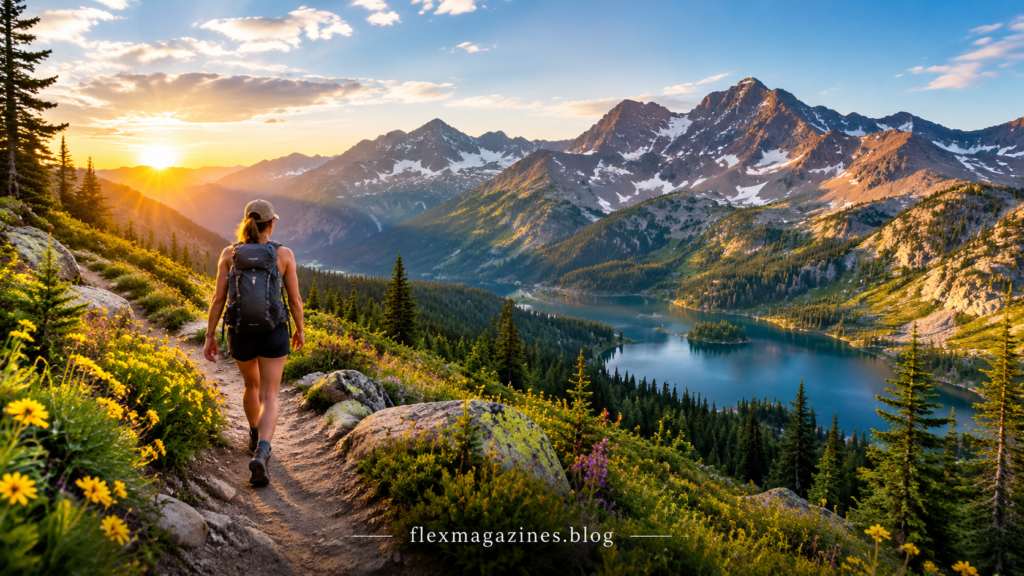

Colorado is one of the best hiking destinations in the United States, offering everything from easy scenic walks to challenging mountain climbs above 14,000 feet. The best places to hike in Colorado include iconic locations such as Rocky Mountain National Park, Maroon Bells, Garden of the Gods, and many hidden gems across the state. Whether you are a beginner looking for a peaceful nature trail or an experienced hiker chasing breathtaking alpine views, Colorado has a trail for every skill level.
With its dramatic mountains, crystal clear lakes, colorful wildflowers, forests, waterfalls, and unique rock formations, Colorado attracts outdoor lovers from around the world. The states diverse landscapes mean you can experience completely different hiking environments within a single trip, from desert like canyons near Colorado Springs to snowy peaks in the Rocky Mountains.
Choosing the right trail depends on your fitness level, season, experience, and what kind of scenery you want to enjoy. Some hikes are perfect for families and casual travelers, while others require preparation, proper gear, and experience with high altitude conditions. Below are some of the best places to hike in Colorado and what makes each destination special.
Rocky Mountain National Park Colorados Most Famous Hiking Destination
Rocky Mountain National Park is often considered the heart of Colorado hiking. Located near Estes Park, this national park features hundreds of miles of trails covering alpine lakes, mountain valleys, forests, and some of the most impressive peaks in the state.
One of the most popular hikes is the Emerald Lake Trail, a relatively accessible route that takes visitors past three beautiful mountain lakes Nymph Lake, Dream Lake, and Emerald Lake. The trail provides incredible views of surrounding peaks and is a favorite for first time visitors.
For hikers looking for a more challenging adventure, Longs Peak offers one of Colorados most famous climbs. Standing at more than 14,000 feet, Longs Peak requires experience, preparation, and careful planning because of changing weather conditions and difficult terrain.
Rocky Mountain National Park is also an excellent place to see wildlife. Visitors may encounter elk, marmots, deer, and other mountain animals along the trails. Early mornings and weekdays are often the best times to avoid crowds and enjoy a quieter hiking experience.
Maroon Bells Iconic Mountain Views Near Aspen
The Maroon Bells are among the most photographed mountain landscapes in North America. Located near Aspen, the area features two dramatic peaks reflected in the calm waters of Maroon Lake, creating one of Colorados most recognizable views.
The Maroon Lake Scenic Trail is a great option for hikers who want beautiful scenery without a demanding climb. The relatively easy path provides incredible views of the mountains, forests, and lake.
For a longer adventure, experienced hikers can explore the Maroon Snowmass Wilderness area, which offers challenging trails, alpine scenery, and opportunities for backpacking. The Four Pass Loop is one of Colorados most famous multi day hiking routes, known for steep climbs and unforgettable mountain views.
Because the Maroon Bells area is extremely popular, visitors should plan ahead, especially during summer and fall. Parking and transportation restrictions may apply during busy seasons.
Garden of the Gods Unique Rock Formations and Easy Hiking
For hikers who want stunning scenery without high altitude mountain challenges, Garden of the Gods is one of the best choices in Colorado.
This natural landmark features enormous red sandstone formations surrounded by views of Pikes Peak and the Rocky Mountains. The park offers several trails suitable for beginners, families, and casual hikers.
The Perkins Central Garden Trail is one of the easiest ways to experience the areas famous rock formations. Visitors can walk among towering red rocks while enjoying views that feel completely different from traditional mountain hiking.
Garden of the Gods is also popular for photography, rock climbing, and sightseeing. Since the trails are accessible and located near Colorado Springs, it is a great option for travelers who want a memorable outdoor experience without spending an entire day on a difficult hike.
Hanging Lake A Colorado Hiking Classic
Located near Glenwood Springs, Hanging Lake is one of Colorados most unique natural attractions. The trail leads hikers through a steep canyon before reaching a beautiful turquoise lake surrounded by waterfalls and lush vegetation.
The hike is relatively short but challenging because of its steep elevation gain. Hikers should be prepared for rocky terrain and a demanding uphill climb.
Due to its popularity and the need to protect the fragile environment, access to Hanging Lake requires reservations. Visitors should follow trail rules carefully because the area is an important ecological site.
The reward at the top is a peaceful mountain lake that looks unlike many other places in Colorado. The combination of waterfalls, cliffs, and clear water makes it one of the states most memorable hikes.
Great Sand Dunes National Park A Different Kind of Colorado Adventure
Great Sand Dunes National Park and Preserve offers a hiking experience unlike anywhere else in the state. Instead of mountain peaks and forests, visitors explore the tallest sand dunes in North America with mountains rising dramatically in the background.
Hiking on the dunes allows visitors to create their own route since there are no traditional marked paths across the sand. The climb can be physically demanding because walking uphill on sand requires more effort than walking on normal ground.
For a unique experience, many visitors hike during sunrise or sunset when temperatures are cooler and the changing light creates beautiful views across the dunes.
The nearby Medano Creek area is also popular during certain seasons when water flows near the dunes, creating a rare combination of beach like scenery and mountain landscapes.
Pikes Peak A Legendary Colorado Mountain Hike
Pikes Peak is one of Colorados most famous mountains and an important symbol of the state. The mountain rises above Colorado Springs and offers incredible views from the summit.
The Barr Trail is the traditional hiking route to Pikes Peak. It is a long and difficult trail that requires strong physical preparation because of the distance and elevation change.
Many hikers choose to complete only part of the trail rather than reaching the summit. Even shorter sections provide impressive forest views and mountain scenery.
Because Pikes Peak reaches over 14,000 feet, altitude can become a serious factor. Visitors should take time to adjust to Colorados elevation and understand the signs of altitude related problems.
Telluride and the San Juan Mountains Scenic Alpine Hiking
The San Juan Mountains in southwestern Colorado offer some of the most dramatic scenery in the state. The area around Telluride is especially popular for hikers who want fewer crowds and breathtaking alpine landscapes.
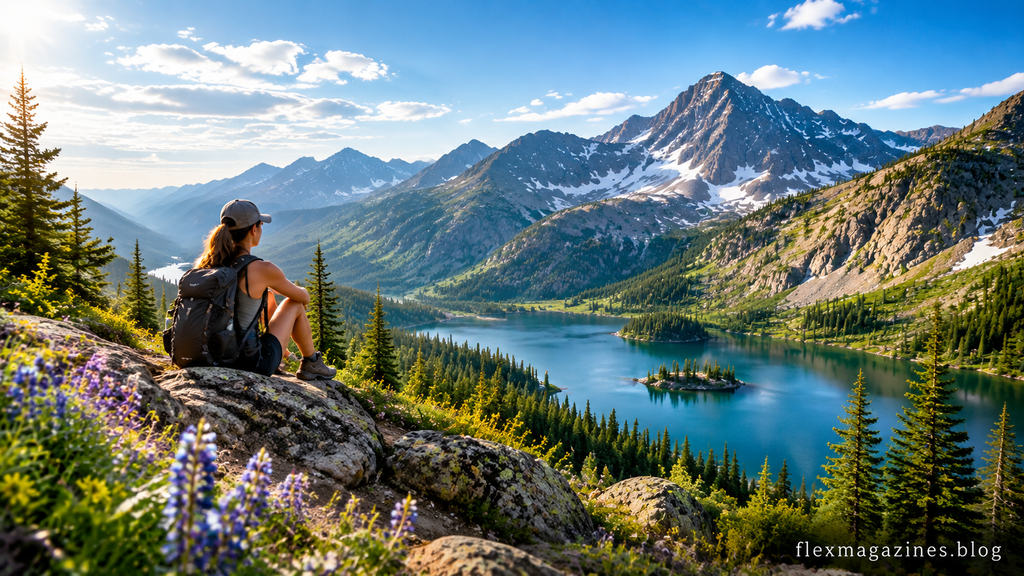
Trails near Telluride feature waterfalls, wildflower fields, mountain passes, and views of rugged peaks. Bridal Veil Falls Trail is a popular option that leads toward Colorados tallest free falling waterfall.
During summer, the region becomes especially beautiful as wildflowers cover mountain meadows. Fall is also a fantastic time to visit because the changing aspen leaves create golden landscapes.
The San Juan Mountains are ideal for travelers who want a more peaceful hiking experience surrounded by untouched wilderness.
Best Time of Year for Hiking in Colorado
The best hiking season in Colorado depends on the location and type of trail. Summer, especially from late June through September, is generally the most popular period because many high elevation trails become accessible after snow melts.
Fall is another excellent season, especially for hikers who want cooler temperatures and colorful aspen forests. September and early October often provide some of the best scenery in mountain areas.
Spring can be unpredictable because snow may remain on higher trails while lower areas begin warming up. Winter hiking is possible in many places but often requires special equipment such as snowshoes or traction devices.
Weather in Colorado can change quickly, particularly in mountain regions. Afternoon thunderstorms are common during summer, so many experienced hikers start early in the morning.
What to Know Before Hiking in Colorado
Colorado hiking offers incredible rewards, but preparation is important. The states high elevation can affect visitors who are not used to mountain environments. Even experienced hikers from lower elevations may need time to adjust.
Always carry enough water, wear appropriate footwear, and check weather conditions before starting a trail. Mountain weather can change rapidly, and temperatures may drop significantly even during summer.
Many Colorado trails also require respect for wildlife and natural areas. Staying on marked paths, following Leave No Trace principles, and properly storing food helps protect the environment.
If you are hiking in remote areas, tell someone your plans and consider carrying navigation tools. Cell service is not available everywhere, especially in mountain wilderness areas.
How to Choose the Right Colorado Hiking Trail
The best hike is not always the longest or most difficult one. A good trail should match your experience level, available time, and physical ability.
Beginners may prefer shorter trails around locations such as Garden of the Gods, easy lake trails in Rocky Mountain National Park, or scenic paths near mountain towns.
Intermediate hikers can explore longer routes with moderate elevation gains, while experienced hikers may enjoy challenging summit climbs and multi day backpacking adventures.
Researching trail conditions before your trip is one of the best ways to have a safe and enjoyable experience. Trail difficulty can change depending on weather, snow conditions, and recent maintenance.
Conclusion
Colorado offers some of the most unforgettable hiking experiences in the United States, with trails ranging from easy scenic walks to demanding mountain adventures. The best places to hike in Colorado showcase the states incredible variety, including alpine lakes, towering peaks, red rock landscapes, waterfalls, and unique desert environments.Whether you are visiting for the first time or returning for another outdoor adventure, Colorado has a trail that can match your interests and experience level. Planning carefully, respecting nature, and choosing the right hike will help you enjoy everything this remarkable destination has to offer.
You may also read more blogs
FAQs
What are the best places to hike in Colorado for beginners?
Some of the best beginner friendly hiking locations in Colorado include Garden of the Gods, easy trails in Rocky Mountain National Park, and scenic routes near mountain towns. These areas offer beautiful views without requiring advanced hiking skills.
What is the most beautiful hike in Colorado?
Beauty is subjective, but many hikers consider trails around the Maroon Bells, Rocky Mountain National Park, and the San Juan Mountains among the most scenic because of their alpine lakes, mountain views, and dramatic landscapes.
Do you need hiking experience for Colorado trails?
Not all Colorado trails require experience. Many parks offer easy trails suitable for beginners and families, but high altitude routes and mountain summits require preparation and awareness of changing conditions.
What should I bring for hiking in Colorado?
Essential items include water, comfortable hiking shoes, layers of clothing, sunscreen, snacks, a map or navigation app, and weather protection. More challenging hikes may require additional safety equipment.
Can you hike in Colorado all year?
Yes, hiking is possible throughout the year, but conditions vary. Summer and fall are generally easier for mountain trails, while winter hiking often requires extra equipment and experience with snow conditions.
Are Colorado hiking trails free?
Some hiking areas are free, while others may require park entrance fees, permits, reservations, or parking fees. Requirements depend on the specific location.
Where can I see wildflowers while hiking in Colorado?
Many mountain areas, including Rocky Mountain National Park and the San Juan Mountains, are known for colorful wildflower displays during summer months.
What is the hardest hike in Colorado?
Some of Colorados most difficult hikes include high elevation fourteeners and long wilderness routes. Challenges usually come from altitude, distance, elevation gain, and unpredictable mountain weather.