
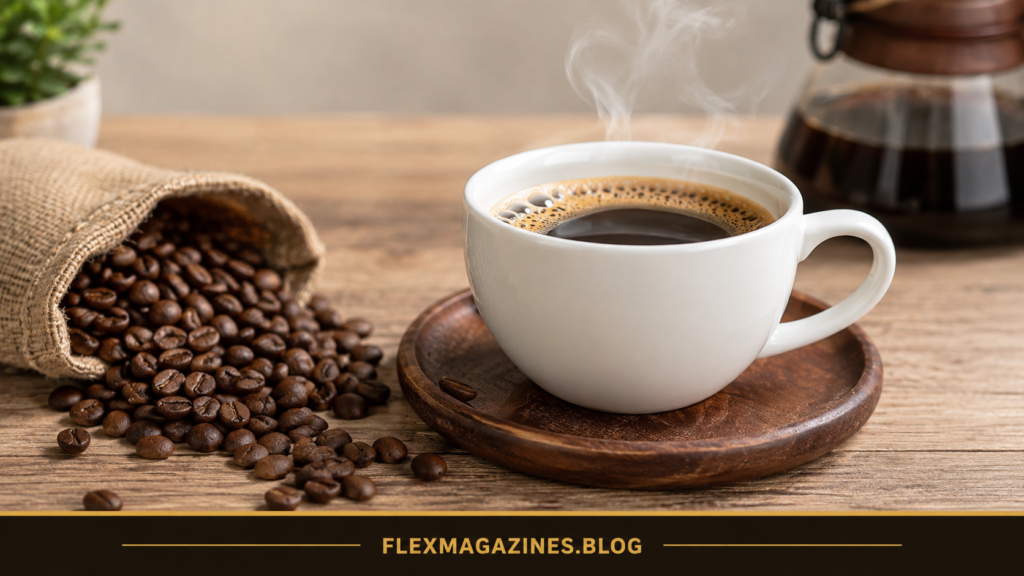

Learning how to make coffee at home can save money, improve your morning routine, and help you create a cup that tastes exactly the way you like it. Whether you prefer a bold black coffee, smooth drip brew, creamy instant coffee, refreshing iced coffee, or a rich French press, the basic principles are surprisingly simple.
The biggest difference between an average cup and a great cup usually comes down to a few fundamentals fresh coffee, good water, the right coffee to water ratio, proper brewing temperature, and enough brewing time. You do not necessarily need expensive equipment or professional barista skills to make delicious coffee.
This guide explains how to make coffee using several popular methods, including a traditional coffee maker, French press, instant coffee, and simple stovetop techniques. It also covers measurements, common mistakes, brewing tips, storage, and answers to frequently asked questions.
What Is Coffee and What Makes It Taste Good?
Coffee is a brewed beverage made by extracting soluble compounds from roasted coffee beans using water. Although coffee beans come from the fruit of coffee plants, the beans are processed, dried, roasted, ground, and eventually brewed to create the beverage most people know.
Coffee flavor depends on many factors. The origin of the beans, roast level, grind size, freshness, water quality, brewing temperature, and extraction time can all influence the final result. Even the same coffee can taste noticeably different when prepared using different brewing methods.
Freshness is particularly important. Coffee begins losing some of its aroma and flavor after grinding because more of its surface area is exposed to air. For this reason, freshly ground beans often produce a more aromatic cup than older pre ground coffee.
The roast also matters. Light roasts can have brighter, fruitier, or more acidic characteristics, while medium roasts often provide a balanced combination of sweetness and body. Dark roasts typically deliver deeper roasted flavors and may taste more bitter or smoky.
How to Make Coffee at Home
The easiest way to make coffee is to combine freshly ground coffee with hot water and allow enough time for the water to extract the desirable flavors. The exact process depends on the brewing method, but the fundamentals remain similar.
For a simple starting point, use about one to two tablespoons of ground coffee for every six ounces of water. You can adjust this ratio depending on whether you prefer a lighter or stronger cup.
Choose Fresh Coffee
Start with coffee beans or grounds that are reasonably fresh. If possible, buy whole beans and grind them shortly before brewing. A burr grinder is particularly useful because it produces more consistent particles than many basic blade grinders.
Choose a roast based on your taste rather than assuming one roast is universally better. Medium roast is a useful starting point for people who want a balanced cup, while darker roasts may suit those who prefer stronger roasted flavors.
Measure Coffee and Water
Consistent measurements make it much easier to improve your coffee. If you change the amount of coffee and water randomly each time, it becomes difficult to determine what caused a cup to taste better or worse.
A kitchen scale provides the most consistent results, but you can also start with tablespoons and measuring cups. A useful starting point is around one gram of coffee for every 15 to 18 grams of water, then adjust according to personal preference.
Heat the Water
Water temperature affects extraction significantly. Water that is too cool can produce weak or under extracted coffee, while excessively hot water can contribute to harsh or bitter flavors.
For most manual brewing methods, water around 195°F to 205°F (90°C to 96°C) is a practical range. If you do not have a thermometer, bringing water to a boil and letting it sit briefly can be a simple approach.
Brew and Serve
Add the coffee to your chosen brewing device, pour in the appropriate amount of hot water, and allow the coffee to brew for the recommended time. Avoid letting coffee sit on a hot heating plate for too long after brewing because prolonged heat can negatively affect flavor.
Serve the coffee immediately when possible. You can drink it black or customize it with milk, cream, sugar, honey, cinnamon, or other additions.
How to Make Coffee Without a Coffee Maker
You do not need a traditional coffee machine to make a good cup of coffee. A saucepan, mug, strainer, and ground coffee can be enough for a simple stovetop preparation.
One basic approach is to heat water in a saucepan and add ground coffee once the water is hot. Let the mixture steep for several minutes, then carefully separate the grounds using a fine strainer or another suitable filter.
Another option is a pour over method using a paper filter and a heat safe container. Place the filter in a suitable cone, add medium ground coffee, and slowly pour hot water over the grounds. The brewed coffee will drip into the container below.
This method gives you more control over the amount of water and the speed of brewing. It can also produce a cleaner tasting cup because the paper filter removes many coffee oils and fine particles.
How to Make Coffee With a Drip Coffee Maker
A drip coffee maker is one of the easiest ways to prepare multiple cups of coffee consistently. The machine heats water and distributes it over coffee grounds held inside a filter. The brewed coffee then collects in a carafe.
Begin by adding fresh, cold water to the machines reservoir. Use the markings on the reservoir to determine how much coffee you want to prepare.
Place the correct filter in the basket and add your coffee grounds. For a standard starting ratio, use roughly one to two tablespoons of coffee per six ounces of water, adjusting the strength to your preference.
Start the machine and allow the brewing cycle to finish. Once brewing is complete, remove the coffee from the heating plate when practical and serve it fresh.
Cleaning your coffee maker is also important. Mineral deposits and old coffee oils can accumulate inside the machine and affect flavor. Regular cleaning can help keep your coffee tasting fresher.
How to Make French Press Coffee
French press coffee is popular because it produces a full bodied beverage with noticeable coffee oils and a richer texture. It requires only a French press, coarse coffee grounds, hot water, and a few minutes.
Start by adding coarse ground coffee to the French press. A common starting ratio is approximately one part coffee to 15 to 17 parts water by weight.
Pour hot water over the grounds and make sure all the coffee is saturated. Stir gently if necessary, then place the lid on the press without immediately pushing down the plunger.
Allow the coffee to steep for roughly four minutes as a starting point. After steeping, press the plunger down slowly and evenly.
Pour the coffee into a cup immediately rather than leaving it inside the French press. Continued contact between the grounds and water can lead to excessive extraction and a more bitter taste.
How to Make Instant Coffee
Instant coffee is one of the fastest ways to prepare coffee because the coffee has already been brewed and processed into soluble granules or powder. It is particularly convenient when you do not have a coffee machine or grinder.
Add approximately one to two teaspoons of instant coffee to a mug, depending on the desired strength. Pour in hot water and stir until the coffee completely dissolves.
You can add milk, cream, sugar, or a sweetener according to your preference. For a creamier beverage, replace part of the water with warm milk.
The quality of instant coffee varies significantly between products. If your instant coffee tastes too bitter or flat, experiment with the amount of powder and water before assuming you need a different preparation method.
How to Make Iced Coffee
Iced coffee is a simple option when you want a chilled beverage instead of hot coffee. One of the easiest methods is to brew coffee normally and cool it before serving it over ice.
To avoid a watered down drink, make the coffee slightly stronger than usual if you know it will be poured over ice. As the ice melts, it will dilute the coffee.
You can also prepare coffee in advance and refrigerate it. Once chilled, pour it over ice and add milk, cream, sweetener, or flavored syrup if desired.
Cold brew is another option, although it is made differently from traditional iced coffee. Coarsely ground coffee is steeped in cool or room temperature water for a much longer period, often producing a smoother and less acidic tasting beverage.
How to Make Strong Coffee
If your coffee tastes weak, simply adding more and more coffee is not always the best solution. The first thing to examine is the coffee to water ratio.
Try increasing the amount of coffee while keeping the water quantity consistent. For example, if you normally use one tablespoon per six ounces of water, gradually increase the coffee until you reach a strength you enjoy.
Grind size can also influence strength and extraction. Coffee ground too coarsely may extract less quickly, while coffee ground too finely can extract excessively in some brewing methods.
It is also useful to distinguish between strong coffee and bitter coffee. A bitter cup is not necessarily stronger in a pleasant way. Over extraction, excessive brewing time, or an unsuitable grind can create bitterness without improving the coffees overall body.
How to Make Coffee Taste Better
The simplest way to improve coffee is to start with better ingredients and more consistent preparation. Fresh coffee and good quality water can make a noticeable difference without requiring expensive equipment.
If your coffee tastes bitter, consider using slightly cooler water, reducing the brewing time, or using a somewhat coarser grind. If it tastes sour or unusually sharp, the coffee may be under extracted, so a finer grind or longer brewing time could help.
Water quality should not be overlooked. Coffee is mostly water, so unpleasant tap water flavors can become noticeable in the finished drink. Filtered water can be a useful option if your local water has strong chlorine, mineral, or other flavors.
You can also improve the drinking experience with additions. Milk can soften acidity and bitterness, while sugar or another sweetener can increase perceived sweetness. Cinnamon, vanilla, cocoa, and other flavors can also be used for variety.
Common Coffee Making Mistakes
One common mistake is using stale coffee. Coffee that has been sitting around for too long may lose much of its aroma and taste flat.
Another mistake is using inconsistent measurements. A person may make coffee differently every morning and then wonder why the taste changes. Measuring coffee and water gives you a repeatable baseline.
Water temperature is another frequent issue. Very hot water and prolonged brewing can encourage excessive extraction, while water that is not hot enough may fail to extract enough flavor.
Grind size also needs to match the brewing method. French press generally works well with coarse grounds, while many drip and pour over methods use medium grounds. Espresso requires a much finer grind.
Finally, do not ignore equipment cleanliness. Old coffee residue and oils can accumulate in grinders, carafes, baskets, and brewing chambers, introducing stale or unpleasant flavors into fresh coffee.
Coffee to Water Ratio Guide
The coffee to water ratio is one of the easiest variables to adjust when learning how to make coffee. Instead of relying only on the idea of strong or weak, think about the relationship between the amount of coffee and the amount of water.
A practical starting point for many brewing methods is approximately 115 to 118, meaning one part coffee to 15–18 parts water. For example, 20 grams of coffee with 300–360 grams of water provides a useful range to experiment with.
If the coffee tastes too weak, reduce the amount of water or increase the coffee. If it tastes excessively intense, do the opposite. Make only one change at a time so you can understand its effect.
Different brewing styles may use different ratios. Espresso, French press, pour over, drip coffee, and cold brew all have their own typical approaches, so there is no single ratio that is perfect for every preparation method.
Best Water and Coffee Temperature
Water temperature plays a major role in coffee extraction. A practical range for many hot brewing methods is around 195°F to 205°F, although the ideal temperature can vary with the coffee and brewing technique.
Freshly boiled water can sometimes be too aggressive for certain preparations, particularly when combined with very fine grounds or long contact times. Letting boiling water cool slightly can provide better control.
Coffee itself should also be served at a comfortable drinking temperature. Extremely hot coffee can mask subtle flavors and make it difficult to appreciate the characteristics of the beans.
If you are experimenting with coffee, keep your water temperature consistent while adjusting other variables. This makes it easier to understand how grind size, brewing time, and coffee quantity affect the final cup.
How to Store Coffee
Proper storage helps preserve coffees flavor and aroma. Exposure to air, moisture, heat, and light can accelerate the loss of desirable characteristics.
Keep coffee in an airtight container in a cool, dry location away from direct sunlight. Avoid storing it somewhere exposed to heat or humidity, such as directly beside a stove.
Whole beans generally maintain their qualities better than ground coffee because less surface area is exposed to oxygen. If possible, grind only the amount you need for each brewing session.
Buying enormous quantities may not always be beneficial if you cannot use them while they are still fresh. Smaller purchases can make sense for people who drink coffee slowly.
Reviews Popular Coffee Making Methods Compared
Different brewing methods produce different experiences, so the best method depends on your priorities. A drip coffee maker is convenient and practical for everyday brewing, especially when preparing several cups.
French press coffee is a strong choice for people who prefer fuller body and more coffee oils. It is also relatively inexpensive and does not require electricity.
Pour over brewing offers greater control over water flow and extraction. It can be especially appealing to coffee enthusiasts who enjoy experimenting with grind size, pouring technique, water temperature, and brewing time.
Instant coffee is the winner for convenience. It requires minimal equipment and can be ready in seconds, although the flavor profile depends heavily on the particular instant coffee product.
Cold brew takes considerably longer but is useful for preparing chilled coffee ahead of time. It can be stored in the refrigerator and used for multiple servings.
Why Is Homemade Coffee Trending?
Making coffee at home remains popular because it combines convenience, customization, and potential savings. A person can create a personalized drink without visiting a coffee shop every morning.
Home brewing also gives coffee drinkers greater control. Instead of choosing from a fixed menu, you can adjust the coffee strength, milk, sweetness, temperature, grind size, and brewing method.
Social media has also contributed to interest in coffee preparation. Coffee recipes, home espresso setups, iced coffee ideas, latte techniques, and aesthetic brewing videos have made coffee preparation a hobby as well as a daily routine.
For many people, the appeal is not simply drinking coffee. The brewing process itself can become part of a relaxing morning ritual.
Latest Update What Coffee Drinkers Should Know
Coffee preparation continues to evolve as home brewing equipment becomes more accessible. Consumers now have many options, ranging from simple manual brewers and inexpensive grinders to sophisticated machines capable of controlling multiple brewing variables.
One important trend is greater attention to coffee quality and traceability. Many coffee drinkers are becoming more interested in bean origin, processing methods, roast dates, roast profiles, and brewing recipes.
At the same time, there is no requirement to purchase expensive equipment to make good coffee. Consistency often matters more than price. Fresh coffee, appropriate water, correct measurements, and a suitable brewing technique can produce excellent results with relatively basic tools.
The best approach is to start simple, establish a reliable recipe, and change one variable at a time. This allows you to discover what works for your personal taste rather than following a complicated recipe blindly.
Conclusion
Learning how to make coffee does not require complicated equipment or professional training. A reliable cup starts with fresh coffee, quality water, a suitable coffee to water ratio, and the right brewing technique.If you are new to home brewing, start with a simple method such as a drip coffee maker, French press, or instant coffee. Once you understand the basics, experiment with grind size, water temperature, brewing time, and coffee quantity to discover your preferred recipe.The most important lesson is consistency. Make one change at a time, taste the result, and adjust gradually. Whether you enjoy a strong morning brew, smooth French press coffee, convenient instant coffee, or refreshing iced coffee, understanding the fundamentals will help you make a better cup at home.A great coffee recipe is ultimately personal. Start with a proven ratio and brewing method, then customize it until the flavor, strength, and texture match exactly what you enjoy.
You may also read more blogs
FAQs
What is the easiest way to make coffee at home?
The easiest method is usually instant coffee or a basic drip coffee maker. Instant coffee requires only hot water and coffee granules, while a drip machine can automatically handle most of the brewing process.
How much coffee should I use for one cup?
A useful starting point is around one to two tablespoons of ground coffee for approximately six ounces of water. Your ideal amount depends on the coffee, brewing method, and preferred strength.
What is the best temperature for making coffee?
For many hot brewing methods, water around 195°F to 205°F (90°C to 96°C) is a practical range. Different coffees and brewing methods may perform better with slightly different temperatures.
Why does my coffee taste bitter?
Bitter coffee can result from over extraction, excessive brewing time, very fine grounds, overly hot water, or simply a dark roast that naturally produces stronger roasted flavors.
Why does my coffee taste weak?
Weak coffee may be caused by too much water, too little coffee, an excessively coarse grind, insufficient brewing time, or stale coffee.
Can I make coffee without a coffee machine?
Yes. You can make coffee with a French press, pour over brewer, saucepan, or even a simple filter setup. The essential ingredients are coffee and water, while the equipment mainly determines how you control extraction.
Is freshly ground coffee better?
Freshly ground coffee often provides stronger aroma and more noticeable flavor because grinding exposes the beans to oxygen and increases the surface area.
How can I make coffee taste less bitter?
Start by checking your brewing time, water temperature, grind size, and coffee to water ratio. Over extraction is a common reason coffee tastes excessively bitter.