
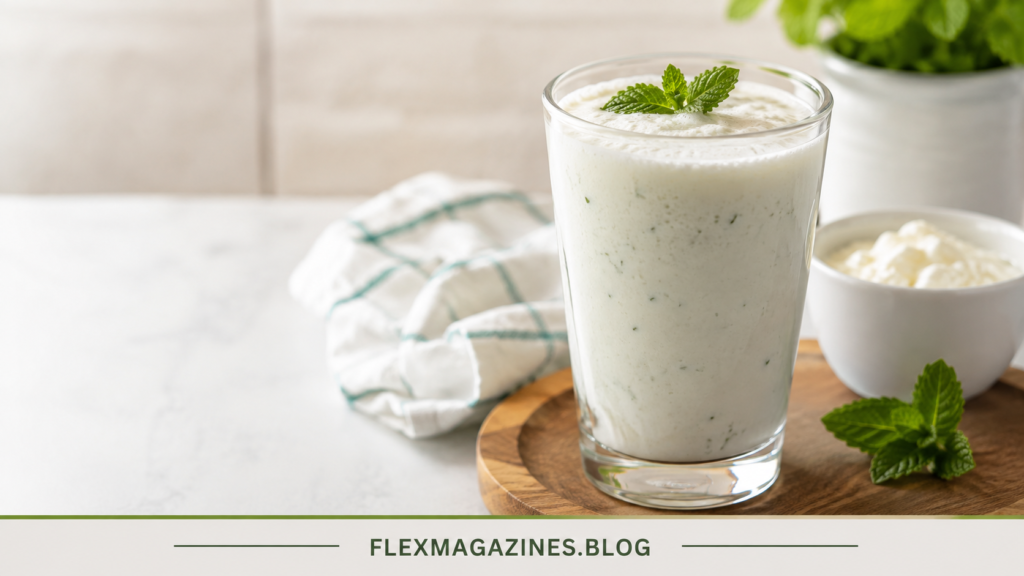

If a recipe calls for buttermilk and you do not have a carton in the refrigerator, there is no need to abandon the recipe or make an unnecessary trip to the grocery store. Learning how to make buttermilk at home is surprisingly easy, and you can often prepare a useful substitute with ingredients you already have.
The simplest homemade buttermilk substitute uses regular milk combined with an acidic ingredient such as lemon juice or white vinegar. After a short resting period, the milk becomes slightly thicker and acidic enough for many baking and cooking recipes.
Homemade buttermilk can be useful for pancakes, biscuits, cakes, muffins, waffles, marinades, dressings, and fried chicken. However, it is important to understand that quick homemade buttermilk substitutes are not exactly the same as traditional cultured buttermilk sold in stores.
This guide explains how to make buttermilk using several methods, how much acid to use, which method works best for different recipes, how to store it, and what to do when you need a buttermilk substitute quickly.
What Is Buttermilk?
Traditional buttermilk is a cultured dairy product with a pleasantly tangy flavor and a relatively thick consistency. Modern commercial buttermilk is generally produced by adding beneficial bacterial cultures to milk, allowing it to ferment and develop its characteristic acidity and texture.
The name can be confusing because traditional buttermilk historically referred to the liquid left behind after churning cream into butter. Modern cultured buttermilk is different and is specifically produced through fermentation.
Buttermilk is especially useful in cooking and baking because its acidity can interact with alkaline ingredients such as baking soda. This reaction produces carbon dioxide, which helps baked goods rise and become lighter.
The acidity also contributes flavor and can help tenderize certain foods. That is why buttermilk appears in recipes ranging from fluffy pancakes and biscuits to marinades for fried chicken.
When people search for how to make buttermilk, they are often looking for a quick substitute rather than a traditional fermentation process. Fortunately, the quick method is easy to prepare.
How to Make Buttermilk at Home
The easiest homemade buttermilk substitute requires only milk and an acidic ingredient. Lemon juice and white vinegar are the two most common options because they are inexpensive, widely available, and provide the acidity needed for many recipes.
For a simple homemade substitute, measure one cup of milk, remove about one tablespoon, and replace that tablespoon with one tablespoon of lemon juice or white vinegar. Stir gently and allow the mixture to sit for about five to ten minutes.
The milk may begin to look slightly curdled or thicker, especially around the edges. That is normal. Stir it gently again before using it in your recipe.
This method works particularly well when buttermilk is needed for baking. It provides the acidity required for recipes where buttermilk interacts with baking soda or another leavening ingredient.
How to Make Buttermilk With Lemon Juice
Lemon juice is a popular option because it provides acidity without introducing the stronger vinegar aroma that some people may notice. Use fresh or bottled lemon juice, although fresh juice can provide a more natural flavor.
To make one cup of substitute, place one tablespoon of lemon juice in a measuring cup. Add enough milk to reach the one cup mark, stir, and allow it to rest for approximately five to ten minutes.
The milk should become slightly thickened and may appear separated or curdled. This does not mean the mixture has spoiled. It is the expected result of adding acid to milk.
Lemon juice can work particularly well for pancakes, muffins, cakes, biscuits, and other recipes where a small amount of citrus flavor will not be noticeable.
How to Make Buttermilk With Vinegar
White vinegar is another reliable ingredient for making a quick buttermilk substitute. It has a neutral enough profile that it generally works well in recipes once the mixture is incorporated into the batter or dough.
For one cup of homemade buttermilk, add one tablespoon of white vinegar to a measuring cup. Pour in milk until the liquid reaches the one cup line, then stir gently.
Let the mixture stand for around five to ten minutes. It may look slightly curdled when ready, which indicates that the acid has reacted with the milk.
Avoid using strongly flavored vinegars such as balsamic vinegar for this purpose. Their color and flavor can alter the final recipe.
How to Make Buttermilk With Yogurt
Plain yogurt can provide a thicker and tangier alternative when a recipe needs the flavor or consistency associated with buttermilk. Because yogurt is naturally acidic, it can be mixed with milk or water to create a pourable substitute.
For a simple version, combine plain unsweetened yogurt with milk until you reach a consistency similar to liquid buttermilk. Stir thoroughly to remove lumps.
Greek yogurt can also work, although it is considerably thicker than regular yogurt. Add additional milk or water gradually until the mixture becomes easy to pour.
This method is especially useful in recipes where extra richness is welcome. However, it may behave somewhat differently from milk and acid substitutes, so it is best to use it when the recipe does not require a very precise liquid balance.
How Much Buttermilk Does Each Method Make?
The standard homemade method is easy to scale because the basic ratio is straightforward. For approximately one cup of buttermilk substitute, use one tablespoon of lemon juice or white vinegar and enough milk to reach one cup.
If a recipe requires half a cup, you can simply halve the ingredients. For two cups, double them. Keeping the ratio consistent makes the substitute predictable and helps avoid adding excessive acidity.
For recipes that call for larger amounts, it is useful to measure rather than estimate. Too much acid can noticeably change flavor and may alter how baking soda reacts in a recipe.
Remember that the purpose of the quick substitute is primarily to provide acidity and a similar liquid component. It does not perfectly reproduce the flavor, thickness, or cultured characteristics of commercial buttermilk.
How to Make Buttermilk for Baking
Buttermilk is particularly popular in baking because its acidity can work with baking soda to help produce carbon dioxide. This reaction can contribute to lighter pancakes, biscuits, cakes, muffins, and quick breads.
When making a substitute specifically for baking, milk combined with lemon juice or white vinegar is usually the easiest approach. Allow the mixture to stand briefly before incorporating it into the batter.
Do not add extra baking soda simply because you made your own buttermilk. Follow the original recipe unless you are deliberately modifying the formula.
If a recipe was developed using cultured buttermilk, the homemade substitute may produce a slightly different taste and texture. Nevertheless, for many everyday baking recipes, the difference can be small.
For especially delicate recipes, using actual cultured buttermilk may provide a more predictable result. For casual pancakes, muffins, or biscuits, the quick substitute is usually convenient and effective.
How to Make Buttermilk for Pancakes
Buttermilk pancakes are famous for their soft texture, mild tanginess, and fluffy interior. The acidity of buttermilk works with baking soda or baking powder to help create a tender and airy pancake.
If you do not have commercial buttermilk, prepare the milk and lemon juice or milk and vinegar substitute before mixing your pancake batter. Allow it to sit for several minutes so the milk has time to react with the acid.
Avoid overmixing pancake batter. A few small lumps are generally preferable to aggressively stirring until the batter is completely smooth.
Allowing the batter to rest briefly can also help hydrate the flour. Cook the pancakes on a properly heated skillet or griddle and flip when bubbles form and the edges begin to look set.
How to Make Buttermilk for Fried Chicken
Buttermilk is widely used as a marinade for fried chicken because its acidity and creamy consistency make it suitable for coating chicken before breading. Seasonings can also be incorporated into the marinade.
If you do not have commercial buttermilk, a milk and acid substitute can work in a pinch. However, cultured buttermilk provides a distinct tangy flavor that many fried chicken recipes are designed around.
You can season the buttermilk mixture with ingredients such as salt, black pepper, garlic powder, paprika, or other spices depending on the recipe.
For food safety, keep raw chicken refrigerated while it marinates. Do not leave poultry sitting at room temperature for extended periods, and discard marinade that has been in contact with raw chicken rather than reusing it as a sauce.
How to Make Buttermilk With Different Types of Milk
Regular dairy milk is generally the simplest choice for making a quick buttermilk substitute. Whole milk provides a richer result, while lower fat milk can also work for many baking recipes.
The choice of milk can affect texture and richness. Whole milk generally produces a fuller mouthfeel, while skim or low fat milk may result in a lighter substitute.
Plant based milk can sometimes be used as well. Unsweetened soy milk is often a practical option because it has a relatively neutral flavor and works in many baking applications.
Oat, almond, and other plant based milks can also be experimented with, but their composition varies considerably between brands. Choose an unsweetened variety without strong flavoring if you want the substitute to behave as neutrally as possible.
Can You Make Buttermilk With Heavy Cream?
Heavy cream can be used in some homemade dairy preparations, but it is not the most straightforward replacement for milk when you simply need a cup of buttermilk substitute.
Heavy cream contains substantially more fat than ordinary milk. Adding acid to it will not necessarily produce the same consistency or behavior as traditional cultured buttermilk.
If you are preparing a baking recipe that calls for buttermilk, regular milk is generally more practical. You can then add lemon juice or white vinegar to provide acidity.
Heavy cream is better suited to recipes where richness and fat content are intentional. Substituting it for buttermilk without considering the recipes overall fat balance can change the final texture.
How Long Does Homemade Buttermilk Last?
A quick homemade buttermilk substitute is best used shortly after preparation. Because it is simply milk combined with an acidic ingredient, it should be treated similarly to the milk from which it was made.
If you make more than you need, keep it refrigerated in a clean, covered container. Do not leave dairy products sitting at room temperature for extended periods.
The exact shelf life depends on the freshness and expiration date of the milk used, as well as how it has been handled and stored. Making only the amount required by the recipe is therefore the easiest approach.
Commercial cultured buttermilk can have different storage characteristics because it is produced specifically as a cultured dairy product. Always follow the storage instructions and use by guidance on the package.
How to Store Homemade Buttermilk
If you need to store homemade buttermilk temporarily, place it in an airtight container and refrigerate it promptly. Keeping it cold helps preserve the quality of the milk.
Labeling the container with the preparation time can be useful if you regularly prepare homemade dairy substitutes. This makes it easier to track how long it has been refrigerated.
Before using stored homemade buttermilk, check its appearance, smell, and overall condition. If the milk develops an unusual odor, unexpected discoloration, mold, or other signs of spoilage, discard it.
For the best results, however, make homemade buttermilk immediately before preparing your recipe. It takes only a few minutes and avoids unnecessary storage concerns.
How to Tell if Buttermilk Has Gone Bad
Buttermilk is naturally tangy, so a sour smell alone does not automatically mean that it has spoiled. Cultured buttermilk is supposed to have an acidic aroma and flavor.
Signs of spoilage can include an unusually unpleasant smell, mold, significant discoloration, or a texture that appears abnormal beyond the expected slight thickness or separation.
If you are uncertain about the safety of a dairy product, it is safer not to taste it simply to determine whether it is still good. When in doubt, discard it.
Homemade milk and acid substitutes are especially simple to prepare, so there is little advantage in keeping a questionable batch. Making a fresh batch takes only a few minutes.
Buttermilk Substitutes and Alternatives
If you do not have buttermilk, several ingredients can sometimes provide a similar function depending on the recipe. Milk mixed with lemon juice or vinegar is the most common quick substitute.
Plain yogurt diluted with milk or water can also work when a thicker, tangier ingredient is appropriate. Sour cream can be diluted to create a similar consistency, although its higher fat content may change the recipe.
Kefir is another fermented dairy product that can sometimes replace buttermilk. Its tangy flavor and liquid consistency make it particularly useful in pancakes, cakes, and other recipes.
The best substitute depends on why the recipe uses buttermilk. If acidity is important for a baking reaction, prioritize an acidic replacement. If the goal is richness and tanginess, yogurt or kefir may be a better fit.
Common Mistakes When Making Buttermilk
One of the most common mistakes is adding too much lemon juice or vinegar. More acid does not necessarily make a better substitute and can introduce an unwanted flavor.
Another mistake is measuring the milk and acid separately without accounting for the total volume. If you need one cup of buttermilk substitute, add the acid first and then add milk until the measuring cup reaches one cup.
Using sweetened or flavored milk can also create problems. Vanilla or sweetened products may introduce flavors and sugars that do not belong in savory or neutral recipes.
Finally, do not expect homemade milk and acid buttermilk to be identical to cultured buttermilk. The quick method is primarily a practical substitute, not a recreation of the traditional fermentation process.
How to Make Buttermilk Taste Better
If you are using buttermilk as a beverage rather than simply as a cooking ingredient, flavor becomes more important. Traditional cultured buttermilk has a naturally tangy profile that may taste unusual to someone who is accustomed to sweet dairy drinks.
You can balance the tanginess with a small amount of salt, herbs, spices, or other ingredients depending on how you intend to use it. In recipes, the other ingredients generally balance the acidity naturally.
For baking, you usually do not need to adjust the taste at all. The slight acidity is part of what makes buttermilk useful.
If you are making a drinkable preparation, it may be better to use actual cultured buttermilk rather than a quick milk and acid substitute. The flavor and texture are more appropriate for drinking.
Reviews Which Homemade Buttermilk Method Is Best?
For most people, the milk and lemon juice method is one of the easiest choices. It uses common ingredients and provides the acidity needed in many baking recipes without requiring special equipment.
The milk and vinegar method is equally practical and can be especially useful when lemon juice is unavailable. White vinegar has a relatively neutral profile once incorporated into a recipe.
Yogurt based substitutes offer more body and tang but may not behave exactly like liquid buttermilk. They are particularly useful when a recipe can accommodate a thicker dairy ingredient.
If the recipes flavor is central to the dish, commercial cultured buttermilk remains the closest option. If the purpose is simply to provide acidity and liquid for baking, a quick homemade substitute can be an excellent solution.
Why Is Homemade Buttermilk Trending?
Homemade cooking has become increasingly popular as people look for practical ways to use everyday pantry and refrigerator ingredients. Buttermilk is a perfect example because a recipe may require only a small quantity.
Instead of purchasing an entire container for a recipe that uses half a cup, cooks can make a quick substitute from milk and an acidic ingredient.
Search interest is also driven by recipe flexibility. Buttermilk appears in many popular comfort foods, including pancakes, biscuits, waffles, fried chicken, cakes, muffins, and salad dressings.
The ability to make a substitute within minutes makes this technique especially attractive to beginner cooks. It is one of those kitchen skills that can prevent a missing ingredient from stopping an entire recipe.
Latest Update What to Know About Homemade Buttermilk
The most important distinction to remember is between quick homemade buttermilk substitute and cultured buttermilk. These terms are often used interchangeably online, but they are not technically identical.
Milk mixed with lemon juice or vinegar is acidified milk. It provides a practical substitute for many recipes but does not undergo the same bacterial culturing process used to produce commercial cultured buttermilk.
This difference matters most in recipes where flavor, thickness, fermentation, or other characteristics are particularly important. For everyday baking, however, the quick substitute is often a convenient solution.
As more people experiment with homemade cooking, understanding the function of each ingredient is more useful than memorizing a single substitution. Once you know that buttermilk contributes acidity, moisture, tang, and tenderness, it becomes easier to select an appropriate alternative.
Conclusion
Learning how to make buttermilk is one of the easiest kitchen techniques to add to your cooking toolkit. When a recipe calls for buttermilk and you do not have any available, regular milk combined with lemon juice or white vinegar can provide a quick and practical substitute.The basic method is simple add an acidic ingredient to milk, allow it to stand for several minutes, and use the resulting mixture in your recipe. The technique is particularly useful for pancakes, biscuits, muffins, cakes, waffles, and many other baked foods.Remember that homemade acidified milk is not technically identical to cultured buttermilk. If a recipe depends heavily on the distinctive flavor and consistency of cultured buttermilk, the real product may provide better results.For everyday cooking, however, knowing how to make a quick substitute can save time, reduce food waste, and keep you cooking even when the refrigerator is missing one important ingredient. Once you understand the basic ratio, you can easily scale the recipe to suit almost any dish.
You may also read more blogs
FAQs
How do you make buttermilk at home?
The easiest method is to add one tablespoon of lemon juice or white vinegar to a measuring cup and then add enough milk to reach one cup. Stir and let the mixture sit for about five to ten minutes.
What is the best substitute for buttermilk?
For most baking recipes, milk combined with lemon juice or white vinegar is one of the simplest substitutes. The basic ratio is one tablespoon of acid for enough milk to make one cup.
Can I make buttermilk with regular milk?
Yes. Regular dairy milk is the easiest base for a quick homemade buttermilk substitute. Whole, low fat, and skim milk can all work, although the final richness may vary.
How long should homemade buttermilk sit?
For a quick milk and acid substitute, about five to ten minutes is generally enough. During this time, the milk may become slightly thicker and appear mildly curdled.
Can I use vinegar instead of lemon juice to make buttermilk?
Yes. White vinegar is a common alternative to lemon juice. Use approximately one tablespoon of white vinegar for enough milk to make one cup of substitute.
Can I use almond milk to make buttermilk?
Unsweetened almond milk can sometimes be used as a dairy free buttermilk substitute. Add lemon juice or vinegar and allow it to sit briefly before using.
Is homemade buttermilk the same as cultured buttermilk?
No. A quick homemade mixture of milk and lemon juice or vinegar is an acidified milk substitute, while cultured buttermilk is produced through bacterial fermentation.
Can I freeze homemade buttermilk?
It is possible to freeze buttermilk, although texture can change after thawing. Separation may occur, making it less appealing for recipes where a smooth consistency matters.