
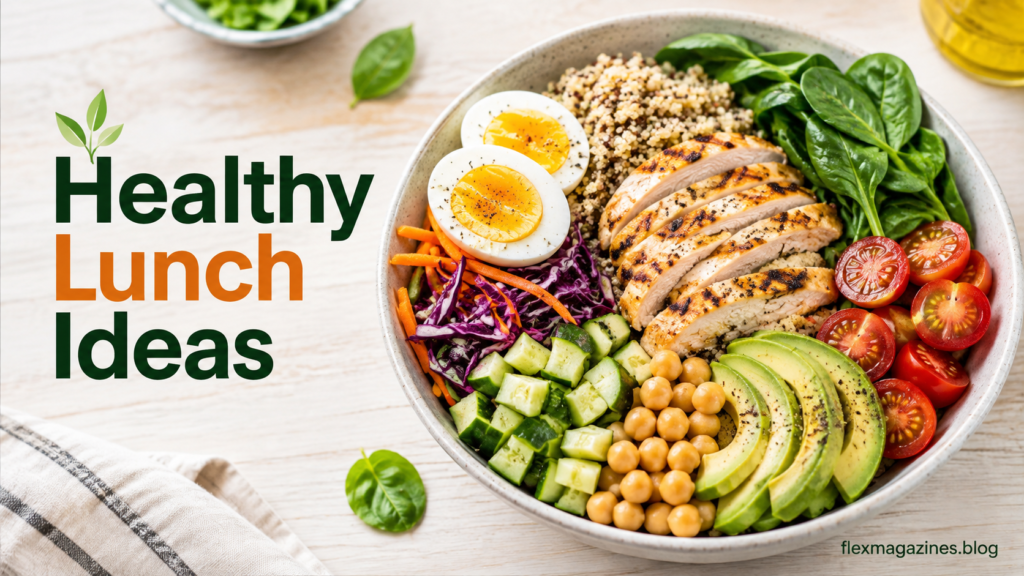

Finding nutritious meals that are satisfying, convenient, and genuinely enjoyable can make healthy eating much easier. The best healthy lunch ideas do not need to be complicated, expensive, or time consuming. With the right combination of protein, vegetables, whole grains, healthy fats, and flavorful ingredients, you can create lunches that keep you energized throughout the afternoon.
Whether you are packing lunch for work, preparing meals ahead of time, trying to eat more vegetables, or simply looking for new recipes, there are countless ways to make lunchtime healthier. From colorful grain bowls and protein packed wraps to hearty salads and nourishing sandwiches, a healthy lunch can fit almost any lifestyle.
This guide explores practical healthy lunch ideas for busy schedules, meal preparation, weight management, vegetarian diets, families, and high protein eating. The goal is not simply to eat fewer calories but to build lunches that provide lasting satisfaction and useful nutrients.
What Are Healthy Lunch Ideas?
Healthy lunch ideas are meals that combine nutritious ingredients in a balanced and satisfying way. A well rounded lunch typically includes a source of protein, fiber rich carbohydrates, vegetables or fruit, and some healthy fat. This combination can make a meal more filling while providing a broad range of essential nutrients.
A healthy lunch can look very different from one person to another. Someone working at a desk may prefer a make ahead grain bowl, while someone with an active job might need a larger meal containing extra protein and carbohydrates. The most useful lunch is one that matches your nutritional needs, preferences, schedule, and appetite.
What Makes a Lunch Healthy?
A nutritious lunch generally includes foods that provide protein, fiber, vitamins, minerals, and beneficial fats. Examples include chicken, eggs, beans, lentils, Greek yogurt, whole grains, leafy greens, vegetables, avocado, nuts, seeds, and fresh fruit.
It is also important to consider portion size and overall dietary balance. A meal does not have to be perfectly clean to be healthy. Instead, focus on building a sustainable pattern of eating that includes a variety of minimally processed foods while leaving room for foods you enjoy.
Why Balance Matters at Lunchtime
Lunch often falls in the middle of a busy day, which makes convenience especially important. A meal that contains only refined carbohydrates may leave you hungry again quickly, while a lunch centered entirely around protein may lack important sources of fiber and carbohydrates.
Combining different food groups can create a more satisfying meal. For example, a whole grain wrap filled with grilled chicken, vegetables, hummus, and avocado provides protein, fiber, carbohydrates, and healthy fats in one convenient package.
Why Healthy Lunch Matters
Lunch can influence how you feel and perform during the second half of the day. A balanced meal can provide energy and help you stay satisfied between meals. Choosing nutritious ingredients regularly may also make it easier to maintain an overall healthy eating pattern.
Healthy lunches can be particularly useful for people who experience afternoon hunger or rely heavily on convenience foods. Preparing even a few ingredients in advance can reduce the temptation to skip lunch or choose whatever is quickest when hunger arrives.
Supporting Energy and Focus
A balanced lunch can help provide the fuel your body needs throughout the afternoon. Protein and fiber are especially useful components because they contribute to satiety, while carbohydrates provide an important source of energy.
Instead of treating lunch as a meal that needs to be extremely light, think about making it balanced. A nourishing lunch can help you feel satisfied without making the meal unnecessarily restrictive.
Making Healthy Eating Easier
Consistency is often more important than perfection. If healthy lunches are easy to prepare and enjoyable to eat, you are more likely to repeat them.
Simple habits such as keeping washed vegetables in the refrigerator, preparing a batch of grains, or cooking several portions of protein can make healthy eating much more convenient. The easier the process becomes, the less effort it requires during a busy weekday.
Healthy Lunch Ideas for Busy Days
Busy schedules do not mean you have to sacrifice nutrition. Some of the best healthy lunches can be assembled in minutes using ingredients that require little or no cooking.
A quick lunch could include a turkey and vegetable whole grain wrap, Greek yogurt with berries and nuts, a tuna and bean salad, or hummus served with vegetables and whole grain pita. These meals can be customized based on what you already have at home.
Quick Chicken and Avocado Wrap
A whole grain tortilla filled with cooked chicken, avocado, lettuce, tomatoes, cucumber, and a light yogurt based dressing makes a convenient lunch. The chicken provides protein, while vegetables contribute fiber and micronutrients.
You can prepare the ingredients ahead of time and assemble the wrap when needed. Adding herbs, lemon juice, or a small amount of hot sauce can make the meal more flavorful without relying heavily on rich sauces.
Tuna and Bean Salad
Combine canned tuna with beans, chopped cucumber, tomatoes, leafy greens, and a simple dressing made from olive oil and lemon juice. This lunch is quick, filling, and easy to customize.
Beans add fiber and plant based nutrients, while tuna contributes protein. If you want more carbohydrates, serve the salad with whole grain crackers, a piece of whole grain bread, or a small serving of brown rice.
Greek Yogurt Power Bowl
For a lighter lunch or a meal that works well on especially busy days, combine plain Greek yogurt with berries, nuts, seeds, and a small serving of oats.
This option can provide protein and other important nutrients while requiring virtually no cooking. Choose unsweetened yogurt and adjust toppings based on your hunger and nutritional needs.
High Protein Healthy Lunch Ideas
Protein is an important component of a satisfying lunch because it contributes to muscle maintenance and helps make meals more filling. High protein lunches can include both animal and plant based ingredients.
Good protein sources include chicken, turkey, fish, eggs, Greek yogurt, cottage cheese, tofu, tempeh, beans, lentils, and edamame. Combining these ingredients with vegetables and high fiber carbohydrates creates a balanced meal rather than simply maximizing protein.
Chicken Grain Bowl
A chicken grain bowl can be built with cooked brown rice or quinoa, grilled chicken, roasted vegetables, leafy greens, and a flavorful dressing.
The advantage of a grain bowl is flexibility. You can change the vegetables, protein, grains, and sauce based on your preferences. A lemon herb dressing can create a Mediterranean style bowl, while a sesame based dressing can give it an Asian inspired flavor.
Lentil and Egg Bowl
Lentils and eggs make an affordable combination for a protein rich lunch. Add leafy greens, tomatoes, roasted vegetables, and a small portion of whole grains for additional fiber and carbohydrates.
This type of meal is especially useful for people looking for budget friendly healthy lunch ideas. Lentils can be cooked in batches and stored for several meals, making weekday preparation easier.
Salmon and Vegetable Plate
Cooked salmon paired with roasted vegetables, leafy greens, and a serving of whole grains can create a satisfying lunch with a variety of nutrients.
Salmon is also a source of omega 3 fatty acids. For convenience, leftover salmon from dinner can become the centerpiece of the following days lunch, reducing food waste and preparation time.
Healthy Lunch Ideas for Work
Work lunches need to be practical. They should travel well, taste good after refrigeration, and ideally require little preparation during the workday.
Portable meals such as wraps, salads, grain bowls, pasta salads, and leftovers can all work well. Using leak resistant containers and keeping wet ingredients separate can also help maintain texture and freshness.
Mason Jar Salad
Layering salad ingredients strategically can help prevent greens from becoming soggy. Put dressing near the bottom, followed by sturdy ingredients such as beans or vegetables, then grains or protein, and finally leafy greens.
When you are ready to eat, shake the container or transfer the ingredients to a bowl. This approach allows you to prepare multiple lunches ahead of time.
Turkey and Hummus Sandwich
A whole grain sandwich filled with turkey, hummus, lettuce, tomato, cucumber, and other vegetables can be a simple workplace lunch.
Hummus adds flavor and creaminess while providing a plant based ingredient. You can also replace turkey with grilled chicken, egg, tofu, or roasted vegetables depending on your dietary preferences.
Healthy Leftover Lunch
Dinner leftovers are among the easiest healthy lunch ideas because the cooking has already been done. Instead of preparing a separate lunch every morning, make extra portions at dinner and pack them for the next day.
Good leftover options include roasted chicken with vegetables, vegetable curry with brown rice, turkey chili, grilled fish with quinoa, or a vegetable and bean pasta dish.
Healthy Lunch Meal Prep Ideas
Meal prepping can save time, reduce decision fatigue, and make healthy choices more convenient. You do not need to prepare every meal for an entire week to benefit from the practice.
Even preparing two or three core ingredients can make lunch assembly much faster. Cook a protein, prepare a grain, and wash or chop several vegetables. You can combine those ingredients differently throughout the week.
Build Your Own Lunch Boxes
Create lunch boxes with separate compartments for protein, vegetables, carbohydrates, and fruit. For example, you could combine grilled chicken, whole grain crackers, carrots, cucumber, hummus, and berries.
This approach works especially well when you get bored eating the same meal repeatedly. Keeping ingredients separate allows you to create different combinations each day.
Make Ahead Grain Bowls
Cook a batch of quinoa, brown rice, farro, or another whole grain and divide it into containers. Add different vegetables and proteins throughout the week.
For better variety, prepare two sauces or dressings. A lemon tahini dressing can work well with Mediterranean ingredients, while a yogurt herb dressing can create a completely different flavor profile.
Meal Prep Safety Tips
Prepared foods should be handled and stored safely. Refrigerate perishable foods promptly and use appropriate containers. If you are preparing several days of lunches, pay attention to freshness and storage recommendations for each ingredient.
Ingredients that do not store well for multiple days can be added just before eating. Fresh avocado, delicate greens, and crunchy toppings may taste better when prepared closer to lunchtime.
Healthy Vegetarian Lunch Ideas
Vegetarian lunches can be filling and nutritious when they include sufficient protein, fiber, and a variety of plant foods. Beans, lentils, tofu, tempeh, eggs, dairy products, nuts, and seeds offer many options.
A vegetarian lunch does not have to be a plain salad. Plant based meals can include curries, wraps, bowls, soups, pasta, sandwiches, tacos, and roasted vegetable combinations.
Chickpea and Avocado Wrap
Mash chickpeas with avocado, lemon juice, herbs, and seasonings, then add lettuce, cucumber, and tomato to a whole grain wrap.
The combination creates a creamy, flavorful filling without requiring complicated cooking. You can also add Greek yogurt or hummus for extra creaminess and protein.
Lentil Vegetable Soup
A hearty lentil soup containing carrots, tomatoes, onions, spinach, and herbs can make a comforting lunch, particularly during colder weather.
Lentils contribute plant based protein and fiber, while vegetables increase the variety of nutrients in the meal. Serve the soup with whole grain bread if you want a more substantial lunch.
Tofu Stir Fry Bowl
Cook tofu with colorful vegetables such as broccoli, bell peppers, carrots, and snap peas. Serve the mixture over brown rice or quinoa.
A simple sauce made with ingredients such as low sodium soy sauce, ginger, garlic, and lime can provide plenty of flavor. Adjust the sauce according to your dietary needs and taste preferences.
Healthy Lunch Ideas for Weight Management
People often search for healthy lunch ideas when trying to manage their weight. A useful approach is to focus on meals that provide plenty of nutrients and satisfaction rather than simply choosing the lowest calorie food available.
Protein, vegetables, fiber rich carbohydrates, and healthy fats can help make a lunch more satisfying. Portion sizes still matter, but a nutritious meal does not need to be extremely small.
Vegetable Packed Chicken Salad
Build a salad around leafy greens, grilled chicken, tomatoes, cucumber, carrots, peppers, and a moderate amount of avocado or nuts.
Instead of drowning the salad in dressing, use a flavorful vinaigrette and distribute it throughout the ingredients. This can provide plenty of taste while keeping the meal balanced.
High Fiber Bean Bowl
Combine black beans or chickpeas with vegetables, brown rice, salsa, leafy greens, and avocado. The combination of protein and fiber can make this a filling lunch.
For additional flavor, use herbs, lime juice, salsa, or spices rather than depending entirely on calorie dense sauces.
Portion Friendly Lunch Plate
Another practical method is to divide the plate among protein, vegetables, and carbohydrate rich foods. The exact proportions can vary depending on your nutritional needs, activity level, and personal goals.
This flexible approach can be easier to maintain than strict meal plans. If you have specific weight management or medical needs, consider working with a qualified healthcare or nutrition professional.
Healthy Lunch Ideas for Families
Family lunches need to appeal to different preferences, which is why customizable meals often work particularly well. Instead of making a completely different dish for every person, prepare several healthy ingredients and let everyone build their own meal.
Taco bowls, wraps, sandwiches, grain bowls, and snack style lunch plates are particularly flexible. Children can choose from several options while still being exposed to a variety of nutritious foods.
DIY Taco Bowls
Prepare brown rice, black beans, grilled chicken, lettuce, tomatoes, corn, avocado, and salsa. Everyone can build a bowl according to their preferences.
This approach can also introduce children to new vegetables without forcing them to eat a particular combination. Keep ingredients familiar while gradually adding new options.
Healthy Sandwich Bar
Set out whole grain bread, lean protein, cheese, hummus, sliced vegetables, and fruit. Family members can build their own sandwiches.
Offering several ingredients can make lunch more interactive and help accommodate different tastes. You can also include leftovers such as roasted vegetables or grilled chicken as sandwich fillings.
Snack Style Lunch Plate
A lunch plate can contain hard boiled eggs, cheese, hummus, whole grain crackers, cucumber, carrots, fruit, and nuts or seeds where appropriate.
This style of meal is useful when children or adults prefer eating smaller portions of different foods. For young children, select foods and portions appropriate for their age and chewing abilities.
Easy Healthy Lunch Swaps
Small ingredient swaps can improve the nutritional profile of familiar lunches without completely changing what you enjoy eating.
Try whole grain bread instead of refined bread, Greek yogurt instead of some creamy dressings, extra vegetables instead of some higher calorie fillings, and beans or lentils as an additional source of plant based protein.
Better Sandwich Choices
A sandwich can absolutely fit into a healthy eating pattern. Start with whole grain bread and choose a protein such as chicken, turkey, tuna, eggs, tofu, or beans.
Add vegetables for texture and fiber, then use avocado, hummus, mustard, or a yogurt based spread for flavor. You do not have to eliminate cheese or other favorite ingredients moderation and overall balance matter more.
Smarter Salad Additions
Not every salad is automatically healthy. Large amounts of creamy dressing, fried toppings, processed meats, and oversized portions can substantially change the nutritional profile.
Instead, use colorful vegetables, a protein source, whole grains or beans, and a flavorful dressing. Nuts, seeds, avocado, and cheese can also be included in reasonable portions.
Healthier Pasta Lunches
Pasta can be part of a nutritious lunch when combined with vegetables and a good protein source. Try whole grain pasta with chicken, beans, tuna, tomatoes, spinach, peppers, or broccoli.
A tomato based sauce or olive oil based dressing can provide a lighter alternative to very heavy sauces. You can also use leftover roasted vegetables to create an easy pasta salad.
How to Build a Balanced Lunch
One of the easiest ways to create healthy lunch ideas is to stop thinking about recipes and start thinking about components. Choose one protein, one fiber rich carbohydrate, several vegetables or fruit, and a source of healthy fat.
For example, grilled chicken can be paired with quinoa, roasted vegetables, avocado, and a lemon dressing. Alternatively, chickpeas can be combined with whole grain pita, cucumber, tomatoes, hummus, and fruit.
Start With Protein
Choose a protein source that fits your preferences. Chicken, fish, eggs, beans, lentils, tofu, Greek yogurt, cottage cheese, and lean meats can all work.
Protein is especially useful when lunch needs to keep you satisfied for several hours. It also plays important roles in maintaining and repairing body tissues.
Add Fiber Rich Carbohydrates
Carbohydrates are not something you automatically need to avoid. Whole grains, beans, lentils, potatoes, oats, fruits, and many vegetables provide carbohydrates along with useful nutrients and fiber.
Choose portions that fit your energy needs and activity level. Active individuals may require more carbohydrates than someone with a largely sedentary routine.
Include Colorful Produce
Vegetables and fruits can make lunch more nutritious, colorful, and enjoyable. Try to include several different colors across your meals rather than relying on the same vegetable every day.
Leafy greens, peppers, tomatoes, carrots, broccoli, berries, apples, oranges, and cucumbers are just a few possibilities. Variety can also help prevent healthy eating from becoming repetitive.
Finish With Healthy Fats
Healthy fats can add flavor and help make meals more satisfying. Avocado, nuts, seeds, olive oil, and nut or seed butters are useful options.
Because fats are energy dense, portion awareness can be helpful. The goal is not to avoid fat but to include appropriate amounts as part of a balanced meal.
Latest Update on Healthy Eating
Current nutrition guidance continues to emphasize overall dietary patterns rather than one perfect food or restrictive diet. A healthy eating pattern generally includes a variety of vegetables, fruits, whole grains, protein sources, and nutrient rich foods.
Another important trend is the shift toward practical nutrition. People increasingly want healthy meals that are affordable, quick, flavorful, and realistic for busy lifestyles. That is why meal prep, high protein bowls, flexible lunch boxes, and simple ingredient swaps remain popular approaches.
Reviews and Practical Tips
The best healthy lunch ideas are not necessarily the most complicated recipes. In real life, a meal is successful when you actually enjoy eating it, can afford the ingredients, and have enough time to prepare it.
If a recipe requires an hour of cooking every morning, it may not be sustainable for someone with a demanding schedule. A simple five minute lunch that you can repeat consistently may be a better choice.
What Makes a Lunch Worth Repeating?
Look for meals that combine convenience, flavor, nutrition, and flexibility. A good lunch should leave you comfortably satisfied without feeling like a chore.
It is also useful to create a rotation of several meals instead of searching for something completely new every day. Having a small list of reliable favorites can simplify grocery shopping and meal planning.
How to Keep Healthy Lunches Interesting
Flavor variety can make a huge difference. The same chicken and vegetables can taste completely different with Mediterranean herbs, Mexican inspired spices, Asian style sauces, or a simple lemon garlic dressing.
Experiment with herbs, spices, citrus juice, vinegars, fresh vegetables, and homemade sauces. Changing flavors can help you maintain healthy eating habits without feeling like you are eating the same meal repeatedly.
Common Healthy Lunch Mistakes to Avoid
One common mistake is assuming that a food is healthy simply because it is labeled light, natural, or healthy. Nutrition labels and ingredient lists provide more useful information than marketing language.
Another mistake is making lunch too restrictive. If your meal is extremely small or lacks protein and fiber, you may become hungry soon afterward and compensate with snacks. A satisfying lunch is usually more sustainable than an unnecessarily restrictive one.
Avoid Skipping Protein
A lunch made primarily of refined carbohydrates may not keep you satisfied for long. Adding chicken, fish, eggs, beans, lentils, tofu, Greek yogurt, or another protein source can create a more balanced meal.
Avoid Ignoring Vegetables
Even a protein rich lunch can benefit from additional vegetables. They add volume, color, texture, fiber, and important micronutrients.
Try keeping convenient vegetables available so adding produce does not become another major task. Pre washed greens, chopped carrots, cucumbers, cherry tomatoes, and frozen vegetables can all be practical options.
Avoid Making Healthy Eating Too Complicated
You do not need expensive superfoods, elaborate recipes, or specialized kitchen equipment to prepare a nutritious lunch.
Start with basic ingredients you already enjoy. A simple combination of protein, vegetables, whole grains, fruit, and healthy fats can provide a strong foundation for countless meals.
Conclusion
The best healthy lunch ideas are practical, satisfying, and flexible enough to fit your everyday life. You do not need to follow an extreme diet or spend hours in the kitchen to create nutritious meals.Start with a simple formula choose a protein source, add plenty of colorful produce, include a fiber rich carbohydrate, and finish with a reasonable portion of healthy fat. From chicken grain bowls and vegetarian wraps to meal prep salads and nutritious sandwiches, there are countless combinations to explore.If you are short on time, focus on preparation rather than complicated recipes. Cook extra portions at dinner, keep convenient ingredients available, and create a small rotation of lunches you genuinely enjoy.Healthy eating becomes much easier when it is convenient, flavorful, and sustainable. Choose meals that work for your schedule, adjust portions to your individual needs, and focus on variety rather than perfection. With these principles, creating delicious and nutritious lunches can become one of the simplest parts of your day.
You may also read more blogs
FAQs
What is a good healthy lunch?
A good healthy lunch typically combines protein, vegetables or fruit, fiber rich carbohydrates, and a source of healthy fat. Examples include chicken grain bowls, bean salads, whole grain wraps, lentil soups, and vegetable filled sandwiches.
What are healthy lunch ideas for work?
Healthy work lunches include grain bowls, meal prep salads, whole grain wraps, leftover roasted chicken and vegetables, tuna and bean salads, and yogurt bowls.
What are healthy lunch ideas for weight loss?
For weight management, focus on satisfying meals containing vegetables, protein, fiber rich carbohydrates, and reasonable portions of healthy fats. Chicken salads, bean bowls, lentil soups, vegetable wraps, and protein rich grain bowls are practical choices.
What is a quick healthy lunch?
Quick healthy lunches include Greek yogurt with fruit and nuts, hummus and vegetable wraps, tuna and bean salads, egg sandwiches, chicken wraps, and leftover grain bowls.
What are healthy high protein lunch ideas?
High protein lunches can include grilled chicken bowls, salmon with vegetables, lentil and egg bowls, tofu stir fries, Greek yogurt bowls, turkey wraps, and bean based salads.
What are healthy vegetarian lunch ideas?
Vegetarian options include lentil soup, chickpea wraps, tofu bowls, bean salads, vegetable grain bowls, egg and vegetable sandwiches, and Greek yogurt bowls.
How can I meal prep healthy lunches?
Start by preparing a few versatile ingredients rather than cooking completely different meals every day. Cook a protein, prepare a whole grain, wash vegetables, and make one or two dressings.
Can sandwiches be part of a healthy lunch?
Yes. A sandwich can be nutritious when built with whole grain bread, a protein source, vegetables, and a suitable spread or healthy fat.