
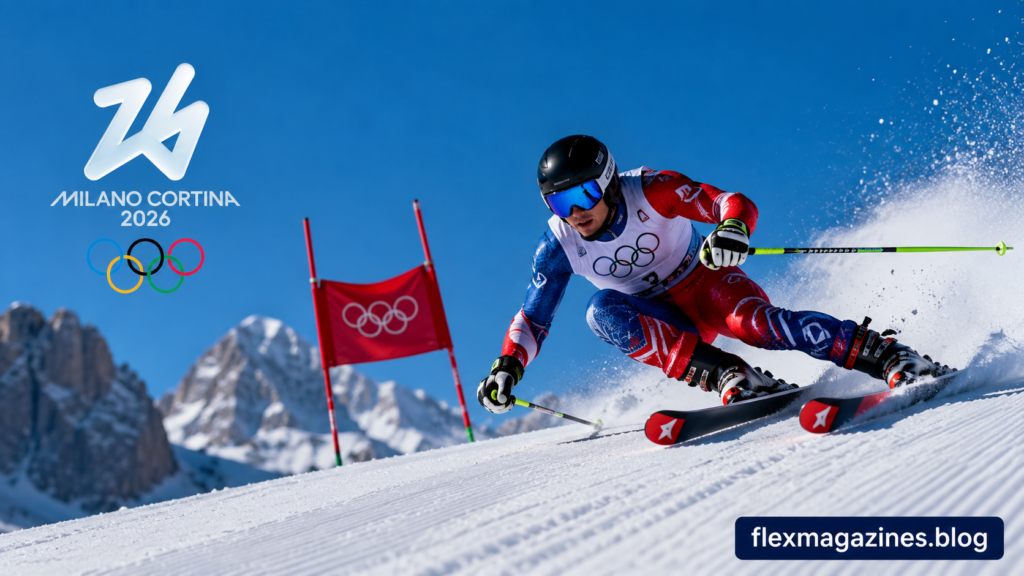

The 2026 Winter Olympics alpine skiing competition is one of the most anticipated events at the Milano Cortina Winter Games. Featuring the worlds fastest and most technically gifted skiers, alpine skiing combines breathtaking speed, precision, courage, and endurance. Fans from around the globe are eagerly awaiting intense downhill races, technical slalom battles, and exciting new team events that promise unforgettable Olympic moments.
Hosted in Italys iconic mountain regions, alpine skiing returns to some of Europes most historic ski venues. The competition will showcase elite athletes representing dozens of nations as they compete for Olympic gold across multiple disciplines. Whether youre a longtime skiing fan or new to winter sports, this guide covers everything you need to know about the 2026 Winter Olympics alpine skiing competition.
What Is Alpine Skiing?
Alpine skiing is one of the oldest and most prestigious Winter Olympic sports. Competitors race downhill on specially prepared courses while navigating gates at incredibly high speeds. Depending on the discipline, athletes must balance speed with technical precision to produce the fastest overall time.
Unlike Nordic skiing, alpine skiing relies heavily on gravity. Athletes descend steep mountains using specialized skis designed for different events. Every race demands excellent physical conditioning, split second decision making, and exceptional skiing technique.
Since making its Olympic debut in 1936, alpine skiing has become one of the most watched events during every Winter Games.
Latest Update on the 2026 Winter Olympics Alpine Skiing
The alpine skiing events will take place between February 7 and February 18, 2026, during the Milano Cortina Winter Olympics. Mens races will be held at the famous Stelvio Ski Centre in Bormio, while womens events will take place on the historic Olimpia delle Tofane course in Cortina dAmpezzo. A total of 10 medal events are scheduled. The previous mixed parallel team event and traditional combined event have been replaced by new team combined competitions for men and women.
Why Is the 2026 Winter Olympics Alpine Skiing Event Trending?
Several reasons explain why search interest has increased dramatically.
First, the Winter Olympics are returning to Italy, one of the worlds most famous alpine skiing destinations.
Second, organizers have introduced a new Olympic format featuring team combined events, adding a fresh competitive element.
Third, many of the sports biggest stars are expected to compete, making medal races highly anticipated.
Finally, the legendary Italian venues themselves attract worldwide attention because of their history and challenging terrain.
Where Will Alpine Skiing Take Place?
The 2026 Winter Olympics use two separate mountain venues for alpine skiing.
Bormio
The mens races will be contested on the legendary Stelvio course in Bormio.
The Stelvio course is widely recognized as one of the most demanding downhill tracks in international skiing. It features steep gradients, technical sections, rapid transitions, and extremely high speeds that test every aspect of an athletes ability.
Many World Cup competitors consider it among the toughest courses in the sport.
Cortina dAmpezzo
Womens alpine skiing will take place at the famous Olimpia delle Tofane course.
Cortina has hosted numerous World Cup races and remains one of skiings most iconic destinations.
The course combines speed, technical challenges, jumps, and changing terrain that reward both skill and confidence.
Its spectacular Dolomite mountain scenery also makes it one of the most beautiful Olympic venues.
Alpine Skiing Events at Milano Cortina 2026
The Olympic alpine skiing program includes ten medal events.
Men compete in
- Downhill
- Super G
- Giant Slalom
- Slalom
- Team Combined
Women compete in
- Downhill
- Super G
- Giant Slalom
- Slalom
- Team Combined
The new Team Combined format pairs athletes rather than using the former individual combined event, creating an exciting tactical competition.
Understanding Each Discipline
Downhill
Downhill is the fastest event in alpine skiing.
Athletes regularly exceed speeds of 130 km/h while racing over steep slopes filled with jumps, turns, and demanding terrain.
Tiny mistakes often determine medal positions.
Super G
Super G combines downhill speed with greater technical precision.
Courses contain more gates than downhill, requiring faster decision making while maintaining incredible speed.
Giant Slalom
Giant Slalom emphasizes powerful carving turns.
Athletes ski through widely spaced gates over two runs, with combined times determining final rankings.
Slalom
Slalom is considered the most technical discipline.
Competitors navigate closely spaced gates requiring lightning fast reactions, balance, and agility.
Small errors can immediately eliminate medal chances.
Team Combined
The new Team Combined event combines speed and technical skiing using paired athletes, creating fresh Olympic excitement and strategic competition.
Athletes to Watch
Although final Olympic teams are confirmed closer to competition, several world class skiers are expected to attract enormous attention.
Among the biggest names are Olympic champions, World Cup winners, and rising young stars from
- Switzerland
- Austria
- Italy
- Norway
- United States
- France
- Canada
Many fans will closely follow experienced champions alongside younger athletes hoping to win their first Olympic medals.
Host nation Italy is expected to receive tremendous home support throughout the competition.
What Makes Olympic Alpine Skiing Unique?
Olympic alpine skiing differs from regular World Cup races because athletes have only one opportunity every four years to compete for Olympic glory.
Pressure is significantly higher.
Even the worlds best skiers have seen medal dreams disappear because of one small mistake.
Olympic races often produce surprise winners, emotional victories, and unforgettable moments that become part of Winter Olympic history.
How Athletes Prepare
Olympic alpine skiers spend years preparing.
Training includes
- Strength conditioning
- Balance exercises
- Speed training
- Technical gate practice
- Mental preparation
- Video analysis
- Equipment testing
Elite athletes also adapt their skis, boots, bindings, and race strategies to match each specific course.
Even weather conditions can influence equipment choices before every race.
Safety in Alpine Skiing
Alpine skiing remains one of the fastest Winter Olympic sports.
Safety measures include
- Protective helmets
- Body protection
- Airbag racing suits
- Safety nets
- Course inspections
- Medical response teams
Course designers carefully balance speed with athlete safety while maintaining challenging competition.
Modern equipment has significantly improved skier protection compared with previous decades.
Why Fans Love Alpine Skiing
Few Winter Olympic events combine speed, danger, precision, and excitement like alpine skiing.
Fans enjoy
- Incredible mountain scenery
- Dramatic finishes
- Split second victories
- High speed action
- National rivalries
- Unexpected medal winners
Every race creates suspense because a tiny mistake can completely change the standings.
Impact on Italian Tourism
Hosting alpine skiing events provides major benefits for Italy.
Millions of viewers will see the stunning landscapes of Bormio and Cortina dAmpezzo.
The Games are expected to boost tourism, hospitality, winter sports participation, and international recognition for Italys mountain destinations.
Many visitors are already planning ski vacations inspired by the Olympic venues.
Conclusion
The 2026 Winter Olympics alpine skiing competition promises to deliver world class racing, unforgettable moments, and spectacular mountain scenery as the Milano Cortina Games return Olympic skiing to some of Europes most iconic venues. With legendary courses in Bormio and Cortina dAmpezzo, elite athletes will battle for Olympic medals across ten exciting events, including the debut of the new Team Combined format. (Milano Cortina 2026)From breathtaking downhill speed to the precision of slalom, alpine skiing remains one of the most thrilling events of the Winter Olympics. Whether youre following your favorite skier, supporting your country, or simply enjoying the excitement of elite winter sports, the 2026 Games are set to showcase the very best of alpine skiing on one of the sports biggest stages.
You may also read more blogs
FAQs
When will alpine skiing take place?
Competition runs from February 7 to February 18, 2026.
Where are the mens races?
The mens alpine skiing events will be held at the Stelvio Ski Centre in Bormio.Where are the womens races?
Womens competitions will take place on the Olimpia delle Tofane course in Cortina dAmpezzo.
How many alpine skiing events are there?
There will be 10 medal events, evenly split between mens and womens competitions.
Whats new for 2026?
The traditional combined and mixed team events have been replaced with mens and womens Team Combined events.
Which countries are favorites?
Traditional alpine skiing powers include Switzerland, Austria, Norway, Italy, France, the United States, and Canada.