
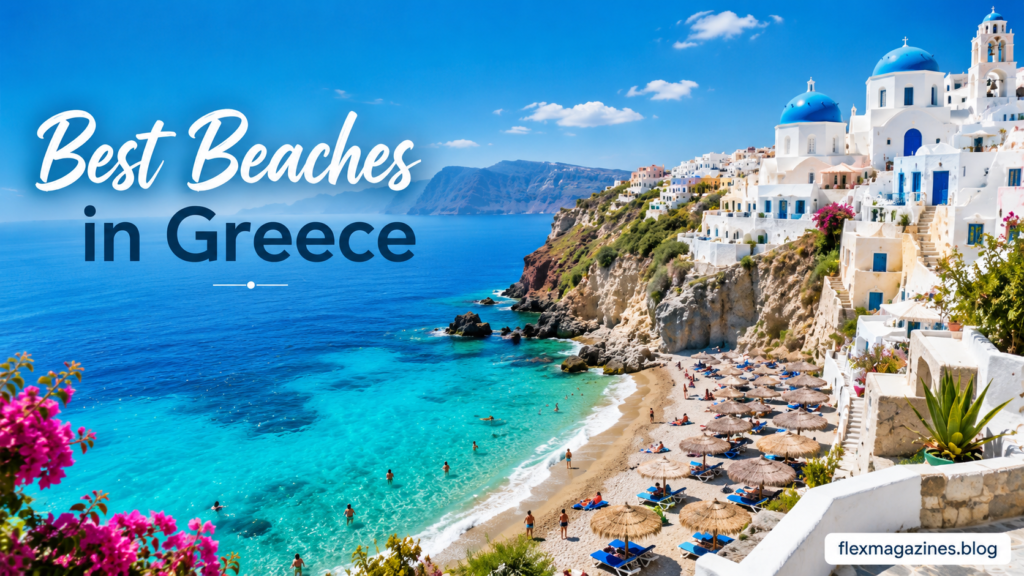

Greece is one of Europes most rewarding beach destinations, but choosing where to go can be surprisingly difficult. The country has thousands of islands and islets, with 227 inhabited islands, and its coastline ranges from long sandy stretches and sheltered coves to dramatic cliffs, pebbly bays, dunes, and volcanic landscapes.
That diversity is exactly what makes searching for the best beaches in Greece so interesting. You can find pale sand and shallow water in Crete, dramatic white rock formations in Milos, spectacular cliffs in Kefalonia, wind sports in Rhodes, and peaceful bays in the Ionian Islands. There is no single beach that is perfect for every traveler.
For some visitors, the ideal Greek beach means powdery sand and calm water. Others want dramatic scenery, snorkeling, watersports, beach bars, remote coves, or a romantic sunset. This guide brings together some of the countrys most impressive beaches and explains what each one does best.
What Makes the Best Beaches in Greece So Special
Greek beaches are famous for their combination of clear Mediterranean water, dramatic landscapes, and remarkable geographic variety. The countrys islands are spread across different seas, including the Aegean and Ionian, creating distinct coastal environments.
The official Greek tourism authority describes the coastline as a mixture of sandy beaches, sheltered bays, coves, dunes, pebbles, wetlands, deltas, sea caves, and volcanic dark sand beaches. That variety means two Greek islands can provide completely different beach experiences even when they are relatively close together.
Crystal Clear Water and Dramatic Scenery
One of the biggest attractions is the water. Many beaches have brilliant shades of blue and turquoise, particularly where pale sand, limestone, or bright rock reflects sunlight through shallow water.
But the scenery above the water is just as important. Cliffs, mountains, olive groves, caves, volcanic rock, and traditional villages often form the backdrop. This is one reason Greek beaches work equally well for relaxing vacations and scenic road trips.
Beaches for Almost Every Type of Traveler
Families can find shallow sandy shores, couples can search for romantic coves, and adventurous travelers can choose beaches reached by boat, hiking trail, or steep access road.
Travelers also have options for snorkeling, kayaking, paddleboarding, windsurfing, sailing, and simply spending an afternoon beneath an umbrella. The best beach depends less on a universal ranking and more on the experience you want.
Elafonissi Beach in Crete
Elafonissi Beach is one of the most recognizable beaches in Crete and one of the strongest choices for travelers who want unusual scenery. Its shallow turquoise water and pink tinged sand create a landscape that looks remarkably different from many other Mediterranean beaches.
The beach became even more prominent in 2026 after recent global beach rankings placed Elafonissi near the top of the worlds best beaches. A recent 2026 report ranked it second globally, specifically highlighting its pink sand, shallow coves, and accessibility from Crete.
Why Elafonissi Is Worth Visiting
The unusual pink coloring comes from crushed marine shells mixed with the sand. The effect varies depending on the exact part of the beach and current conditions, so travelers should not necessarily expect the entire shoreline to appear bright pink.
Its shallow water makes the area particularly attractive to families and travelers who enjoy wading rather than immediately entering deep water. The landscape also makes Elafonissi a strong choice for photography.
What to Know Before You Go
Elafonissi is famous, so popularity is part of the experience. During peak summer periods, the most scenic sections can become busy.
For a more relaxed visit, arriving earlier in the day or considering shoulder season travel can make a significant difference. Travelers should also respect protected coastal areas and avoid removing sand, shells, or natural materials as souvenirs.
Balos Lagoon in Crete
Balos Lagoon is another iconic destination for travelers researching the best beaches in Greece. Located in northwestern Crete, Balos is known for an extraordinary combination of pale sand, shallow turquoise water, and rugged mountainous scenery.
The beach is particularly striking from above, where the lagoons unusual shape becomes obvious. The surrounding landscape creates a sense of isolation that is difficult to reproduce at more developed resort beaches.
Why Balos Is So Photogenic
Balos is a landscape rather than simply a strip of sand. The lagoon, rocky hills, bright water, and distant coastline create dramatic layers that look spectacular from elevated viewpoints.
This makes it especially appealing to photographers and travelers who prioritize scenery. The shallow lagoon also provides areas where visitors can wade through calm water.
Access Requires Planning
One of the most important things to understand is that Balos is not simply a beach you drive directly to and park beside. Access can involve a combination of road travel, walking, or boat transportation depending on the route and conditions.
That extra effort is part of what makes the destination memorable, but travelers with mobility concerns or young children should research current access arrangements before planning their visit.
Myrtos Beach in Kefalonia
Myrtos Beach is among the most dramatic beaches in the Ionian Islands. It is famous for brilliant blue water, pale pebbles, and steep green and white mountains surrounding the shoreline.
The contrast between the bright sea and the mountainous landscape gives Myrtos an almost cinematic appearance. It is one of those beaches where the viewpoint above the shore can be nearly as impressive as the beach itself.
Why Myrtos Stands Out
Myrtos is particularly appealing to travelers who want a dramatic landscape rather than a traditional flat sandy beach. The coastline feels powerful and wild, while the water can display vivid shades of blue under the right conditions.
Recent travel coverage continues to identify Myrtos as one of Greeces standout beaches, with Lonely Planet describing it among its top Greek beach selections for 2026.
Things to Consider
The beach consists largely of pebbles rather than soft sand, so comfortable footwear can be useful. Conditions can also change, meaning visitors should pay attention to local swimming advice and sea conditions.
Myrtos works particularly well as part of a broader Kefalonia itinerary. The island offers opportunities to combine beach days with villages, scenic drives, caves, food, and other outdoor experiences.
Navagio Beach in Zakynthos
Navagio Beach is perhaps one of Greeces most recognizable coastal landscapes. Its dramatic setting combines bright blue water, towering limestone cliffs, pale sand, and the famous shipwreck that gave the beach its distinctive visual identity.
Navagio has become one of the defining images of Greek tourism and remains a major attraction for visitors to Zakynthos. Travel publications continue to feature it prominently in current Greek beach guides.
The Famous Shipwreck Setting
The shipwreck is the visual centerpiece, but the surrounding cliffs and sea are what make the location extraordinary. From viewpoints above the coast, the contrast between the white cliffs and deep blue water creates an unforgettable panorama.
Boat trips have historically been one of the classic ways to experience the area, but travelers should check current local access rules and safety conditions before making plans because coastal access can change.
Is Navagio Right for You?
Navagio is best for travelers who prioritize dramatic scenery and iconic photographs. It is less suited to anyone searching for a quiet, undiscovered beach because its fame naturally attracts visitors.
If your priority is experiencing a broader range of Zakynthos rather than seeing only the famous shipwreck cove, consider exploring additional beaches and coastal areas around the island.
Paleokastritsa Beach in Corfu
Paleokastritsa is a beautiful coastal area on Corfu known for rugged hills, clear water, small bays, and lush greenery. Instead of being defined by a single uninterrupted beach, the destination offers a collection of coves and coastal viewpoints.
This makes Paleokastritsa particularly appealing for travelers who want variety. You can combine swimming with boat trips, exploring small bays, enjoying scenic views, and visiting nearby Corfu attractions.
Why Corfu Is Different
Corfu has a noticeably greener appearance than many Greek islands, particularly in the Ionian landscape. Olive trees and hills create a lush backdrop that contrasts with the intense blue water.
Paleokastritsa is a strong option for travelers who want more than a beach resort. It allows visitors to combine nature, swimming, sightseeing, food, and local culture in one destination.
Best Experience at Paleokastritsa
A boat trip can be a particularly rewarding way to explore the coastline because it provides access to sea caves and viewpoints that are difficult to appreciate from land.
Because the area is popular, travelers looking for quieter moments should consider visiting early or exploring less prominent coves rather than focusing exclusively on the busiest shoreline.
Sarakiniko Beach in Milos
Sarakiniko Beach offers one of the most unusual coastal landscapes in Greece. Rather than being surrounded by green hills or traditional golden sand, Sarakiniko features brilliant white volcanic rock sculpted by wind and waves.
The result is a landscape that can feel almost lunar. Bright rock formations contrast sharply with the blue Aegean Sea, making the area especially popular with photographers and travelers seeking something visually different.
A Beach Unlike Traditional Greek Shores
Sarakinikos greatest strength is its geology. The smooth white formations create natural platforms and curves around the water, giving visitors a landscape that feels very different from conventional sandy beaches.
It is a destination for exploring as much as swimming. Visitors should nevertheless exercise care around cliffs, slippery surfaces, and changing sea conditions.
Why Milos Deserves More Time
Milos is particularly appealing to travelers who enjoy exploring multiple coastal landscapes. The island has numerous beaches and coves with different colors, rock formations, and access conditions.
Instead of treating Sarakiniko as the only destination, consider building a wider Milos itinerary around several beaches and villages. That makes it easier to experience the island beyond its most photographed location.
Porto Katsiki in Lefkada
Porto Katsiki is one of the signature beaches of Lefkada. Dramatic pale cliffs rise behind the shore, while the Ionian Sea provides vivid blue and turquoise tones.
Lefkada is especially convenient for travelers who want an island style beach vacation without necessarily relying on a traditional island ferry connection. The island is connected to mainland Greece by a causeway, making road travel an important part of its appeal.
What Makes Porto Katsiki Special
The combination of steep cliffs and bright water gives Porto Katsiki the dramatic quality travelers often associate with Greeces most famous beaches.
The approach and access can involve stairs, so visitors should consider mobility and the heat before heading down. Comfortable shoes, water, and sun protection are practical essentials.
When to Visit
Peak summer can be busy, especially around famous beaches such as Porto Katsiki. Early arrival can improve the experience and make parking and access easier.
Travelers staying in Lefkada can also explore other beaches on the island, meaning you do not have to spend the entire vacation at one famous location.
Falassarna Beach in Crete
Falassarna Beach is an excellent choice for travelers who want a more spacious beach environment combined with spectacular sunset views. Located on the western side of Crete, it offers a long coastal setting with clear water and a broad landscape.
Its western orientation makes sunset one of its major attractions. As the sun drops toward the horizon, the beach becomes especially atmospheric.
Why Travelers Love Falassarna
Falassarna works well for people who want a classic Mediterranean beach experience without the highly unusual geography of Balos or Sarakiniko.
The surrounding region also makes it useful as part of a western Crete road trip. Visitors can combine the beach with nearby villages, food experiences, and other coastal destinations.
Sunset Is a Major Attraction
If photography or romantic beach experiences are important to you, staying into the evening can be worthwhile. The combination of open horizon, warm light, and sea views creates excellent sunset conditions.
As with any popular beach, however, it is wise to plan transportation ahead of time rather than assuming that every service will operate late into the evening.
Plaka Beach in Naxos
Plaka Beach is a strong choice for travelers who prefer long sandy beaches and a relaxed atmosphere. Naxos is known for offering a useful balance of beaches, villages, food, and inland landscapes.
Plakas long shoreline makes it different from compact coves such as Sarakiniko or Paleokastritsa. Travelers can enjoy a more traditional beach day with space for walking, swimming, relaxing, and watching the sunset.
Why Naxos Is a Great Beach Island
Naxos is especially appealing for people who do not want their trip to revolve exclusively around nightlife or luxury resorts. It provides a broader mix of beach experiences, local food, villages, and outdoor activities.
That variety makes it one of the more versatile choices for a first Greek island vacation.
Who Should Choose Plaka?
Plaka is ideal for couples, families, and travelers who like long sandy shores. It can also work well for people who want to stay in one island destination and take several different beach days.
If you prefer dramatic cliffs and unusual geological scenery, another destination may be more exciting. But for classic Greek island beach relaxation, Plaka is difficult to overlook.
Voidokilia Beach in the Peloponnese
Voidokilia Beach demonstrates that you do not need to visit a famous island to experience spectacular Greek beaches. Located in the Peloponnese, the beach is known for its distinctive curved shape, pale sand, and clear water.
The surrounding landscape adds to the experience, making this an appealing destination for travelers who want scenery and a quieter alternative to some of Greeces internationally famous island beaches.
Why Visit Mainland Greece?
The Peloponnese can be a smart option for travelers who prefer road trips or want to avoid depending entirely on island transportation. It offers beaches alongside historic sites, mountain landscapes, traditional villages, and excellent food.
Recent traveler discussions also continue to recommend Peloponnese destinations for visitors seeking authentic coastal experiences and fewer tourist trap concerns.
A Great Choice for Road Trips
Voidokilia can fit naturally into a broader driving itinerary. Instead of spending your entire trip at one resort, you can explore multiple towns and beaches.
This is especially attractive for travelers who want a combination of seaside relaxation and cultural exploration.
Prasonisi Beach in Rhodes
Prasonisi Beach offers something different from many of the calm swimming beaches on this list. It is famous for its wind conditions and has become a popular destination for watersports enthusiasts.
The location is particularly interesting because the surrounding geography can create different sea conditions on either side of the area. That makes Prasonisi more than a conventional sun and swim destination.
Why Watersports Travelers Choose Prasonisi
Travelers interested in kitesurfing and windsurfing are likely to appreciate Prasonisi more than someone simply looking for a quiet swimming cove.
The beach also gives visitors an opportunity to see another side of Rhodes beyond historic attractions and resort areas.
What to Consider
Wind conditions can be a major advantage for watersports but may not be ideal for every swimmer. If your primary goal is calm water for children, another beach may be more appropriate.
This illustrates why there is no universally best Greek beach. The right destination depends heavily on what you want to do once you arrive.
Best Beaches in Greece by Travel Style
Choosing the right beach becomes much easier when you start with your travel priorities. Greece has options for families, couples, photographers, adventure travelers, watersports enthusiasts, and people who simply want a comfortable sandy beach.
Rather than trying to visit every famous location, choose a region that matches your style. This can reduce travel time and allow you to experience the destination more deeply.
Best Greek Beaches for Families
Families often prioritize shallow water, easy access, space, nearby facilities, and calmer swimming conditions. Elafonissi and several beaches around Naxos can be strong options, although local conditions should always be checked.
Families should also consider how much walking, stairs, or rough terrain is involved. A spectacular beach can be less enjoyable with young children if reaching the shoreline requires a difficult descent.
Best Beaches in Greece for Couples
Couples looking for romantic scenery may prefer Falassarna at sunset, secluded coves around Corfu, or scenic beaches in Milos and Kefalonia.
For couples, the surrounding destination matters as much as the beach itself. A beautiful village, good restaurants, sunset viewpoints, and scenic drives can turn a beach visit into a complete vacation experience.
Best Beaches for Adventure
Travelers who want something more adventurous can consider Balos, Sarakiniko, Porto Katsiki, or remote coastal areas that require hiking, boat trips, or more careful access.
Adventure should not mean ignoring safety. Check local weather, sea conditions, access restrictions, and transportation arrangements before setting out.
Best Beaches for Watersports
Prasonisi in Rhodes is particularly well known for wind powered watersports. Other Greek destinations also offer kayaking, paddleboarding, diving, snorkeling, and sailing.
Your ideal location therefore depends on the activity you want. Calm shallow water is excellent for relaxed swimming but may not be the priority for a windsurfer.
Best Time to Visit the Beaches of Greece
The ideal time depends on whether you prioritize warm swimming water, lower prices, fewer crowds, or lively summer activity. July and August are generally associated with peak summer travel, which means popular beaches can be busy.
Late spring and early autumn can be attractive for travelers who want warm weather with a somewhat more relaxed atmosphere. However, conditions and operating schedules vary by location, so it is important to verify local information before traveling.
Summer Beach Travel
Summer is the obvious choice for travelers focused heavily on swimming and classic beach holidays. Long daylight hours and warm conditions make it easy to spend entire days outdoors.
The trade off is popularity. Famous beaches can become crowded, and accommodation and transportation demand can be higher.
Shoulder Season Beach Travel
May, June, September, and early October can be appealing depending on the specific island and weather conditions. Travelers often choose these periods to balance beach weather with fewer crowds.
A recent travel video guide also highlights May June and September October as attractive periods for travelers seeking quieter Greek beach experiences.
Latest Update on Greek Beach Travel
As of August 2026, Greek beaches remain a major focus of international travel coverage, with recent guides highlighting destinations ranging from Elafonissi and Balos to Navagio, Myrtos, Paleokastritsa, and Sarakiniko.
One notable recent development is the continued international attention on Elafonissi. A 2026 global beach ranking placed the Cretan beach second worldwide, highlighting its pink tinged sand and shallow turquoise water.
Travelers should nevertheless avoid treating rankings as absolute. A beach ranking cannot account for every persons preferences, and current access, weather, crowds, sea conditions, and local regulations can change the practical experience.
How to Plan a Greek Beach Vacation
The biggest mistake travelers can make is trying to cover too much ground. Greece looks compact on a map, but islands and coastal regions can require significant transportation time.
Instead, choose one island or a small group of nearby destinations and build your itinerary around them. This gives you time to enjoy beaches rather than spending most of the vacation moving between airports, ferries, and roads.
Choose the Region Before the Beach
Start by deciding whether you want the Ionian Islands, Cyclades, Crete, Dodecanese, North Aegean, or mainland Greece. Each area provides a different combination of scenery and travel style.
For example, Crete is excellent for travelers wanting enormous variety, while Kefalonia and Lefkada are strong options for dramatic Ionian scenery. Naxos works well for travelers seeking a combination of beaches and island life.
Research Access Before Traveling
A beautiful beach is not automatically an easy beach to visit. Some require long drives, steep paths, boat transfers, or substantial walking.
Check current access conditions, parking, boat schedules, road conditions, and local restrictions shortly before your trip. This is especially important for famous beaches where environmental or safety measures can change.
Beach Safety and Responsible Travel
Beautiful water can create a false impression of complete safety. Conditions can change quickly, especially around exposed beaches, cliffs, and areas affected by wind.
Swim within your ability, pay attention to local warnings, and be cautious around rocks and steep edges. Travelers participating in watersports should use appropriate equipment and follow local guidance.
Protecting Greek Coastal Landscapes
Responsible tourism is particularly important in heavily visited destinations. Avoid leaving rubbish, disturbing wildlife, damaging plants, or taking sand, rocks, shells, or other natural materials.
Popular beaches can receive enormous numbers of visitors during the summer season. Small individual choices can therefore make a meaningful difference to the long term preservation of these landscapes.
Reviews and Traveler Considerations
Travel reviews can be helpful, but they should be read with context. A reviewer who loves an isolated beach may dislike a busy organized beach, while a family with young children may prefer facilities and easy access.
The same beach can also feel completely different depending on the time of day and month. A location that is peaceful in the morning may be crowded by midday.
What Travelers Often Love
The most consistently appealing qualities are clear water, dramatic scenery, variety, and the ability to combine beach days with excellent food and cultural experiences.
Travelers also appreciate the fact that Greece offers alternatives. If one famous beach is too crowded, another cove or coastal area may be only a short drive or boat ride away.
What Travelers Should Watch For
Crowds, difficult access, limited shade, strong winds, and rocky or pebbly surfaces can affect the experience. Famous social media beaches may also be much busier than photographs suggest.
The smartest approach is to match the destination to your expectations. Do not choose a beach solely because it looks spectacular online.
Conclusion
The best beaches in Greece are not limited to one island or one style of coastline. Greeces extraordinary geographic diversity means travelers can choose between pink tinged sand, turquoise lagoons, white volcanic rock, dramatic cliffs, long sandy shores, lush coves, and wind swept watersports destinations.For iconic scenery, Elafonissi, Balos, Navagio, and Myrtos are difficult to ignore. For unusual landscapes, Sarakiniko offers something genuinely different. Paleokastritsa brings together beaches and lush Ionian scenery, while Naxos provides long sandy shores and an excellent all around island experience. On the mainland, the Peloponnese offers beautiful coastal alternatives and the flexibility of a road trip.The key is to choose based on your own travel style rather than simply following a ranking. Families may prioritize shallow water and easy access, couples may prefer sunsets and secluded coves, and adventurous travelers may enjoy beaches that require a little more effort to reach.Most importantly, give yourself time to explore. Greeces greatest coastal experiences are often found not only at the famous beaches but also along the roads, villages, coves, viewpoints, and smaller shores between them.If you are planning a Greek beach vacation, choose your region carefully, check current access and weather conditions, travel responsibly, and leave room for spontaneous discoveries. With thousands of miles of coastline and an enormous variety of landscapes, Greece offers far more than a single best beachit offers an entire coastline of unforgettable possibilities.
You may also read more blogs
FAQs
What is considered the best beach in Greece?
There is no universally agreed single best beach because different travelers prioritize different things. Elafonissi, Balos, Myrtos, Navagio, Paleokastritsa, Sarakiniko, and Porto Katsiki are among the beaches frequently highlighted by major travel guides and current beach roundups.
Which Greek island has the best beaches?
Crete is one of the strongest choices for variety because it offers everything from pink tinged sand and lagoons to long sandy beaches and dramatic coves.
What are the best beaches in Greece for families?
Families often benefit from beaches with shallow water, easy access, space, and nearby facilities. Elafonissi is notable for its shallow lagoon like waters, while Naxos offers several long sandy beaches that can work well for family holidays.
What are the best beaches in Greece for couples?
Couples may enjoy Falassarna for sunsets, Paleokastritsa for scenic coves, and beaches around Milos and Kefalonia for dramatic scenery.
What is the best time to visit Greek beaches?
For peak summer beach weather, July and August are popular, but they also bring the highest levels of tourism to many destinations.
Are Greek beaches sandy or rocky?
Both. Greece has a huge variety of beaches, including sandy, pebbly, rocky, volcanic, and mixed shores. The official tourism authority specifically highlights this diversity across the countrys coastline.
Which Greek beaches have the clearest water?
Many Greek beaches are known for exceptionally clear water, including Myrtos, Elafonissi, Balos, Paleokastritsa, and several beaches around the Cyclades and Ionian Islands.
Are the best beaches in Greece crowded?
Some of the most famous beaches can become very busy during the peak summer season. Places such as Elafonissi, Balos, Navagio, and other highly photographed destinations attract significant visitor interest.